
Pakistan Leaders Praise Christian Community on Easter
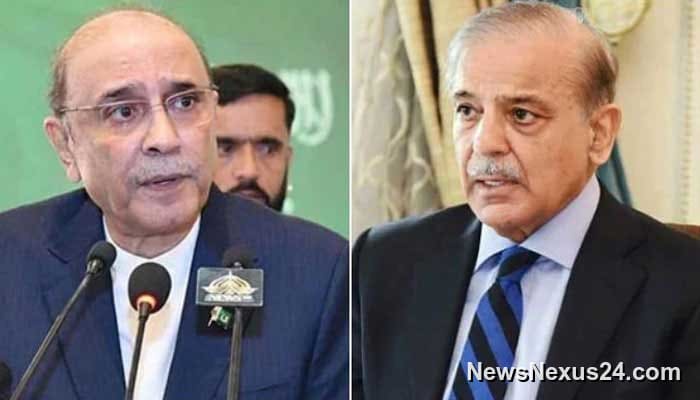
“President Asif Ali Zardari and Prime Minister Shehbaz Sharif used Easter Sunday messages to praise Pakistan’s Christian community for its contributions to education, healthcare, defence and public life.”
Key points
- President Asif Ali Zardari and Prime Minister Shehbaz Sharif used Easter Sunday messages to praise Pakistan’s Christian community for its contributions to education, healthcare, defence and public life.
- The statements also renewed official promises on minority rights, interfaith harmony and equal citizenship.
Pakistan’s top civilian leadership used Easter Sunday to publicly acknowledge the country’s Christian community, with President Asif Ali Zardari and Prime Minister Shehbaz Sharif issuing separate messages that praised Christians for their role in national life. Their statements came as churches across Pakistan held Easter prayers and congregations marked one of the holiest days in the Christian calendar with worship, reflection and celebration.
The official messages placed strong emphasis on the community’s contribution to Pakistan’s social and institutional fabric. Both leaders described Christians as active participants in the country’s growth, noting their presence in education, healthcare, social work, public service and national defence. By linking Easter greetings to national development, the government sought to frame the occasion not only as a religious celebration for one minority community, but also as a reminder of the place minorities hold in the broader Pakistani state.
President Zardari’s message highlighted Easter as a symbol of compassion, renewal and moral triumph, arguing that these values are visible in everyday life in Pakistan through the work of Christian citizens. He said Christians have long served in schools, hospitals, public institutions and the armed forces, and that their contributions deserve recognition and respect. He also referred to historical Christian figures associated with Pakistan’s story, presenting their legacy as part of the country’s national memory rather than a side note to it.
Prime Minister Shehbaz Sharif delivered a similar message, saying the Christian community continues to provide admirable services in multiple professional sectors and remains important to Pakistan’s economic and social progress. He said the message of peace carried by religious traditions has become even more meaningful in a difficult global environment. The prime minister also stressed that the protection of the religious, economic and educational rights of all citizens, especially minorities, remains a key government priority.
The tone of both statements reflected an effort to reinforce ideals of interfaith harmony and constitutional equality. President Zardari referred to the state’s responsibility to protect the life, property, honour and security of minority communities, while also calling on citizens to act with restraint, respect and responsibility toward one another. The language used in the official messages suggested a broader political aim as well: to project Pakistan as a country committed to inclusion, religious coexistence and equal citizenship under law.
The Easter occasion itself carried deep emotional and spiritual importance for Christian families across Pakistan. Worshippers gathered for Sunday mass in churches in major cities including Islamabad, where prayers, hymns and sermons centered on hope, sacrifice and resurrection. Community voices cited in coverage of the occasion described Easter as a reminder that hardship can be followed by renewal, a message that resonates strongly in societies dealing with economic pressure, social strain and uncertainty.
This year’s official greetings also come in the wider context of recurring debate over minority rights in Pakistan. While the state often reaffirms constitutional protections and respect for religious freedom on important occasions, activists and community representatives have frequently argued that symbolic recognition must be matched by stronger institutional safeguards, consistent law enforcement and equal opportunity in daily life. That makes such statements politically meaningful, but also subject to public scrutiny over whether promises are reflected in practice.
Historically, Pakistan’s Christian community has played an outsized role in sectors central to public welfare, especially schooling, nursing, charity work and mission-linked social support. Christian citizens have also held visible places in public service and national institutions. By recalling that heritage, the president and prime minister appeared to be emphasizing continuity between Pakistan’s founding ideals and the modern demand for a more inclusive civic identity.
The immediate impact of the Easter messages is likely to be symbolic but significant. In a diverse society, official acknowledgment from the country’s top leadership can help affirm belonging, encourage interfaith respect and reduce the sense of marginalization often felt by minority groups. At the same time, the true test will lie beyond ceremonial messaging. The coming period will show whether these public commitments translate into stronger protections, greater confidence among minority communities and a more visible effort to turn the language of equality into lived reality across Pakistan.
Corrections & clarifications
Spot an inaccuracy or need more detail? Email connect@newsnexus24.com. Significant updates are timestamped above.


