
Deadly Rains Batter KP as Death Toll Climbs to 45
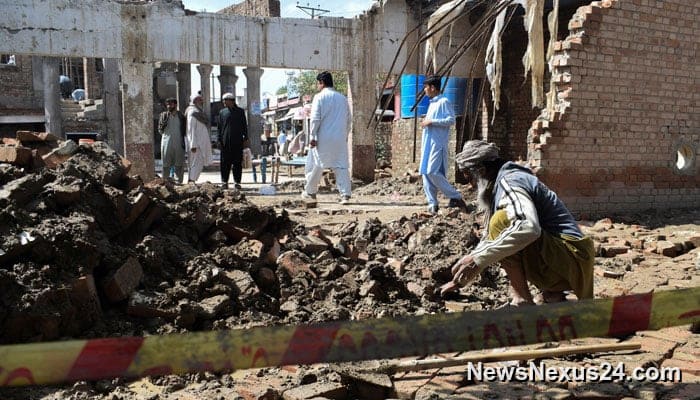
“At least 45 people have died and 105 have been injured in rain-related incidents across Khyber Pakhtunkhwa, with hundreds of houses damaged.”
Key points
- At least 45 people have died and 105 have been injured in rain-related incidents across Khyber Pakhtunkhwa, with hundreds of houses damaged.
- Authorities are continuing relief work while warning that another spell of rain could worsen conditions in the coming days.
Heavy rains have left a trail of destruction across Khyber Pakhtunkhwa, with at least 45 people killed and 105 others injured in weather-related incidents reported since March 25. The latest official figures, released on Sunday, show the damage stretching across a wide belt of the province as collapsing roofs and walls struck homes in both urban and rural districts.
Authorities said many of the deaths occurred when rain-soaked structures gave way under pressure, trapping families inside. Children were among the worst affected, underlining the human cost of weak housing conditions in vulnerable communities. Officials also confirmed that hundreds of houses have been damaged, worsening the hardship for families already coping with the impact of repeated storms.
According to the Provincial Disaster Management Authority, 442 homes have been affected in total. Of these, 382 were partially damaged, while 60 were completely destroyed. The incidents were recorded in a large number of districts, including Peshawar, Swat, Abbottabad, Mardan, Bannu, Charsadda, Malakand, Kohat, Dera Ismail Khan, Kurram, Khyber and several tribal and mountain regions where poor infrastructure often increases the risk during severe weather.
The PDMA said relief operations are continuing in coordination with Rescue 1122, district administrations and other concerned agencies. Emergency support and supplies have been dispatched to affected areas, while local officials have been directed to speed up assistance for injured residents and displaced families. The agency also said its Emergency Operations Centre remains active and urged the public to use the toll-free 1700 helpline for information or help.
Officials have warned that the crisis may not be over yet. Another spell of rain is expected from April 6 to 9, raising fears that already weakened homes, roads and community structures may face fresh pressure. People have been advised to avoid unnecessary travel, particularly toward tourist and hilly locations, and to follow official weather and safety advisories as conditions remain unstable.
The latest fatalities once again highlight a recurring problem in Pakistan’s northwest, where heavy rainfall frequently turns deadly because of fragile construction, overcrowded housing and limited drainage or emergency protection. In many districts, even moderate to strong rain can trigger wall collapses, flash flooding and landslides, especially when older structures have not been reinforced.
Beyond the immediate casualty figures, the damage is likely to create longer-term social and economic strain. Families who have lost homes now face repair costs, temporary displacement and added pressure on already tight household budgets. In affected districts, damaged buildings, interrupted transport links and emergency response demands can also disrupt schools, markets and routine public services.
The coming days will be critical for provincial authorities as they try to contain further losses and move from rescue to recovery. Much will depend on how quickly aid reaches damaged communities and whether precautionary measures can prevent another rise in casualties during the next rain spell. For now, Khyber Pakhtunkhwa remains on alert as officials race to manage a weather emergency that has already turned deadly across much of the province.
Corrections & clarifications
Spot an inaccuracy or need more detail? Email connect@newsnexus24.com. Significant updates are timestamped above.


