
KP Rain Disaster Toll Hits 30 Dead, 85 Injured
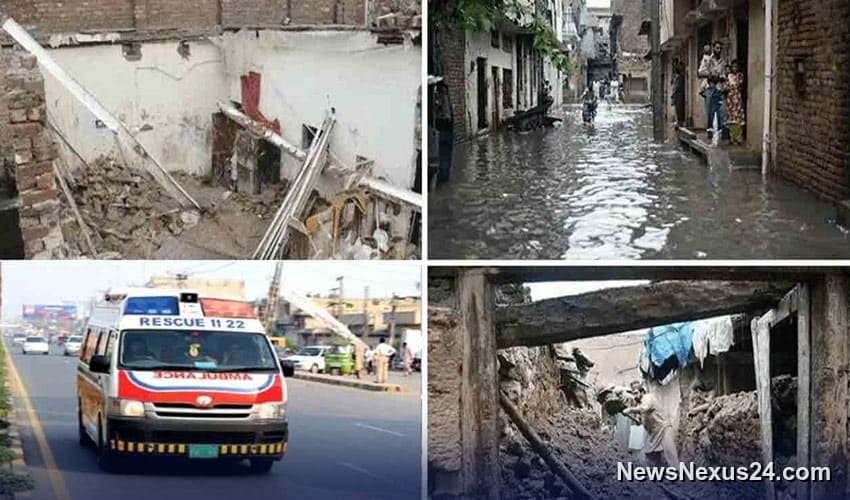
“Fresh PDMA figures show that rain-related incidents in Khyber Pakhtunkhwa have left 30 people dead and 85 injured, with children forming the largest share of fatalities.”
Key points
- Fresh PDMA figures show that rain-related incidents in Khyber Pakhtunkhwa have left 30 people dead and 85 injured, with children forming the largest share of fatalities.
- Homes, vehicles and local infrastructure have also suffered heavy damage across multiple districts.
Heavy rains in Khyber Pakhtunkhwa have turned into a widening human tragedy, with the provincial disaster management authorities reporting 30 deaths and 85 injuries across multiple districts. The latest toll, released on Saturday, shows how a prolonged spell of damaging weather has continued to batter vulnerable communities since late March.
According to the PDMA, the casualties include 20 children, five women and five men. The scale of destruction has also reached homes and local infrastructure, with 140 houses reported damaged in total. Of these, 115 suffered partial damage while 25 were completely destroyed.
The report says the incidents were spread across a wide geography, including Bannu, Abbottabad, Kohat, Peshawar, Nowshera, Bajaur, Lakki Marwat, Kurram, Hangu, Shangla, Buner, Malakand, Upper Dir, Battagram, North Waziristan and Tank. The spread of damage suggests the crisis is not confined to a single flashpoint but is instead affecting a large swathe of the province.
Officials have directed district administrations in the affected areas to move quickly on relief and provide assistance to families hit by the rains. That official response is critical because in weather-related disasters, the first delay often worsens losses by leaving displaced households without shelter, food support or basic medical access.
The situation was made worse by another reported incident in Dera Ismail Khan, where an earthquake and rainfall led to the collapse of a building at Sheikh Yousaf Adda. Eight vehicles were said to have been completely destroyed, adding an economic blow to an already severe disaster picture in the province.
Khyber Pakhtunkhwa remains one of Pakistan’s most weather-exposed regions because of its terrain, fragile housing in some districts and recurring vulnerability to rain-triggered damage. When roofs and boundary walls collapse, women, children and the elderly often face the greatest risk, which is reflected in the casualty pattern seen in the latest figures.
The impact of such events goes beyond the immediate death toll. Families lose shelter, local transport is disrupted, livelihoods are interrupted and already-stretched district administrations must divert scarce resources toward emergency response. In remote areas, even basic recovery can take far longer than the initial news cycle suggests.
The coming days will be crucial for both relief and accountability. Authorities will need to ensure rescue support, compensation and temporary shelter reach the worst-hit households quickly, while also reassessing preparedness before the next strong weather spell arrives. For many communities in KP, the emergency is no longer about rainfall alone but about how long recovery is allowed to take.
Corrections & clarifications
Spot an inaccuracy or need more detail? Email connect@newsnexus24.com. Significant updates are timestamped above.


