
Italy Boat Disaster: Pakistan Hunts Smugglers as 20 Remain Missing
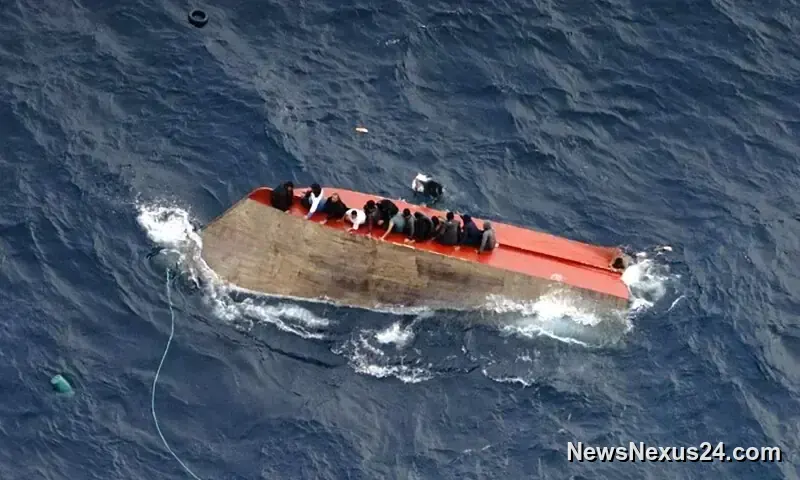
“A fresh Mediterranean boat disaster has left at least 20 Pakistanis missing, with officials saying many had travelled under the guise of Umrah or third-country visit visas before reaching Libya.”
Key points
- A fresh Mediterranean boat disaster has left at least 20 Pakistanis missing, with officials saying many had travelled under the guise of Umrah or third-country visit visas before reaching Libya.
- The case has triggered a new FIA probe into trafficking networks operating across Punjab.
A new migrant boat disaster in the Mediterranean has put Pakistan back at the center of a growing human-smuggling crisis, after officials and local sources said at least 20 Pakistanis were among those lost at sea near Italy. The report, published on Wednesday, said most of the missing men had not travelled openly as labour migrants but had first left Pakistan under the appearance of Umrah travel or on visit visas for third countries before eventually being moved onward toward Libya.
Investigators believe the journey was neither quick nor direct. According to the information gathered so far, many of the missing Pakistanis had departed the country four to five months ago and spent a long period moving through multiple routes before reaching Libya. From there, they reportedly waited for an opportunity to board a vessel headed toward Europe, a pattern that reflects the way trafficking networks fragment travel plans into stages to avoid detection.
The latest details suggest the victims were largely from central Punjab, especially Gujrat and Gujranwala divisions, with additional links to Mandi Bahauddin, Hafizabad, Sialkot and nearby districts. Officials said the passengers had flown out from airports in Islamabad, Lahore, Faisalabad and Sialkot, indicating a dispersed but organised pipeline rather than an isolated smuggling attempt. That has widened concern that recruiters, facilitators and transport handlers were operating across several districts at once.
Pakistani authorities have now tasked the Federal Investigation Agency with collecting data on the missing citizens and identifying the agents believed to have arranged their movement abroad. Officials familiar with the inquiry said initial findings point to multiple principal facilitators from Punjab, while enforcement teams are trying to map who arranged documents, transit routes and onward passage to Libya. The effort, however, has been complicated by the reluctance of some families to publicly identify the smugglers who handled the departures.
That hesitation is significant because it exposes one of the hardest parts of dismantling trafficking chains in Pakistan. Families often fear social stigma, reprisals from agents, or legal trouble after a relative is pushed into an irregular migration route. In many cases, smugglers are known within the community and operate through trust networks, making victims’ relatives more likely to stay silent even after a tragedy. As a result, investigations can stall just when authorities most need witness testimony and transactional details.
The scale of the disaster itself remains severe. International migration data cited in the report said the boat had departed from Tajoura in Libya and later capsized in the Central Mediterranean after carrying around 120 people. More than 80 were reported missing, while 32 survivors had been rescued and two bodies recovered. For Pakistan, the national focus has naturally turned to the fate of the missing citizens and to the chain of deception that appears to have drawn them into one of the world’s deadliest migration corridors.
This is not the first time Pakistani families have been hit by Mediterranean boat tragedies, and that history gives the latest incident extra weight. Over recent years, shipwrecks involving Pakistanis near Greece, Libya, Morocco and Italy have repeatedly exposed how human-smuggling networks adapt even after crackdowns. Routes change, false travel purposes are used, and desperate migrants are kept in transit hubs for months before being loaded onto overcrowded vessels. Each new disaster revives the same questions about enforcement, border screening and the lack of safe economic pathways for those trying to leave.
The domestic impact is wider than the immediate loss of life. In the affected districts, such incidents create waves of grief, debt and mistrust, because many families borrow heavily to finance migration attempts in hopes of better earnings abroad. When the journey ends in detention, disappearance or death, households are left with emotional trauma and financial ruin. The latest case is also likely to intensify pressure on Pakistani authorities to tighten scrutiny of travel patterns that are being misused for trafficking purposes, including religious travel cover and short-term visit visas.
The coming days will determine whether this tragedy leads only to mourning or to meaningful accountability. Investigators are expected to continue tracing the missing, documenting the trafficking route and pursuing the facilitators who arranged the departures. For Pakistan, the next step is not just identifying those lost in the Mediterranean, but proving that the networks profiting from these journeys can finally be broken before another group of families receives the same devastating news.
Corrections & clarifications
Spot an inaccuracy or need more detail? Email connect@newsnexus24.com. Significant updates are timestamped above.


