
Pakistan halts highway toll hike as fuel costs squeeze motorists
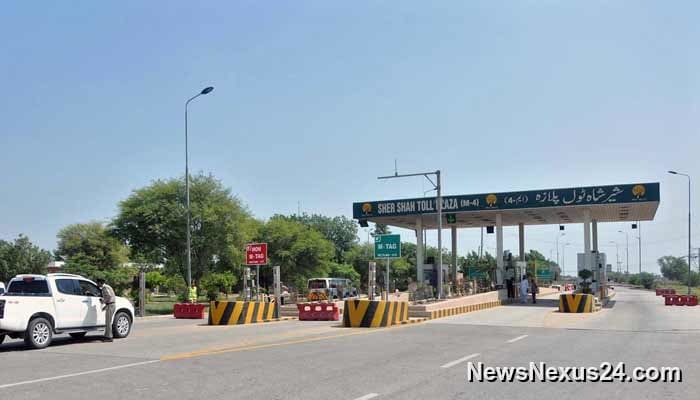
“Pakistan has cancelled a planned increase in highway and motorway toll taxes after the recent fuel price shock.”
Key points
- Pakistan has cancelled a planned increase in highway and motorway toll taxes after the recent fuel price shock.
- The move is meant to prevent additional pressure on commuters, transporters and supply chains already strained by costly petrol and diesel.
The federal government has withdrawn a planned increase in toll taxes on national highways and motorways, stepping back from the move as rising fuel prices intensified pressure on commuters, transporters and logistics operators. The reversal came after directives from Prime Minister Shehbaz Sharif, with officials presenting the decision as part of a broader effort to avoid adding new burdens to the public during an already difficult economic moment.
According to the announcement, the National Highways Authority cancelled the notification that would have raised toll charges from April 5. Federal Minister for Communications Abdul Aleem Khan said the authority would formally withdraw its earlier order and replace it with a fresh notification ending the increase before implementation. That means the quarterly revision planned after the April 1 notification will not take effect.
Officials said the rationale was straightforward: fuel costs had already climbed sharply, and any extra toll burden would have immediately increased travel and freight expenses. For commercial transporters, even a modest increase in motorway or highway charges can accumulate quickly across multiple daily trips. In a climate of expensive petrol and diesel, that cost would almost certainly have been passed on to passengers, traders and consumers.
Aleem Khan said it would not be appropriate to raise taxes when the public was already facing hardship from the increase in petrol and diesel prices. He also noted that the NHA had not imposed a toll tax increase during the 2025–26 fiscal year, suggesting the government wanted to maintain that line in the face of exceptional market conditions. The statement was designed to underscore that the withdrawal was a relief decision rather than a technical delay.
The importance of toll rates in Pakistan often receives less public attention than fuel prices, but they are closely linked in practice. Long-haul trucking, bus services, agricultural supply chains and intercity movement all depend on predictable transport costs. When fuel prices and toll fees rise together, the effect spreads well beyond drivers and transport companies, eventually filtering into food prices, construction inputs and retail distribution.
The government’s decision also reflects the political sensitivity of layered price pressures. After the sharp jump in petroleum prices, the administration has faced criticism that secondary charges could deepen inflation at a time when many households are already adjusting spending. By withdrawing the toll hike, Islamabad appears to be signaling that it recognizes how cumulative increases can trigger broader economic and social frustration.
From a policy perspective, the episode highlights the challenge of financing road infrastructure while also protecting economic activity. Authorities routinely argue that maintenance, expansion and quality upgrades require a steady revenue stream. Yet in periods of energy stress, even financially justifiable charges can become difficult to defend if they threaten mobility and commercial flow.
The immediate impact of the rollback is likely to be felt in the transport sector, where operators had begun factoring higher charges into expected fares and delivery costs. It also offers some short-term reassurance to traders and the public that further price escalation may not be automatic. Whether that relief lasts will depend on the future trajectory of fuel prices and on how long the government can postpone revenue measures tied to infrastructure and public finance needs.
Corrections & clarifications
Spot an inaccuracy or need more detail? Email connect@newsnexus24.com. Significant updates are timestamped above.


