
Pakistan’s climate adaptation must move from plans to protection on the ground
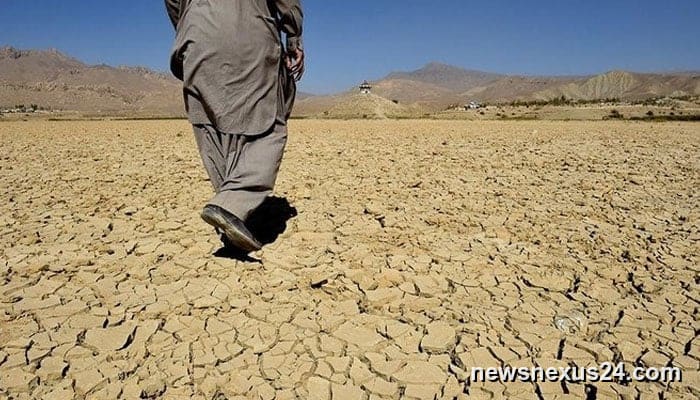
“A Geo.tv opinion piece argues Pakistan’s climate adaptation must shift from optics to on-the-ground protection, guided by local realities and data.”
Key points
- A Geo.tv opinion piece argues Pakistan’s climate adaptation must shift from optics to on-the-ground protection, guided by local realities and data.
- It calls for stronger local capacity, inclusive planning and financing tools so resilience becomes climate-proofed development rather than paperwork.
Climate adaptation in Pakistan cannot be reduced to glossy reports or donor-friendly frameworks if it is meant to protect communities already living with daily climate stress, the writer argues.
The piece says adaptation should be treated as a survival priority rather than a performative agenda. For a country repeatedly identified as highly vulnerable to climate impacts, the author contends that adaptation must become practical, locally rooted development—built around real risks people face in fields, homes and cities during heatwaves, floods, droughts and erratic rainfall.
A central argument is that what is often branded as “locally led” still tends to be designed through top-down processes. The author says durable adaptation requires starting with the lived experiences of communities and treating residents as knowledge holders and partners, not passive recipients.
The article notes that Pakistanis already make quiet, informal adjustments—changing crop choices, conserving water, protecting livestock and relying on local early-warning cues—yet these practices rarely appear in official planning. Formal institutions, the author says, should strengthen and scale such knowledge by linking it to science, data and governance support.
At the same time, the writer warns against romanticising resilience or shifting responsibility away from the state. Adaptation, the piece argues, succeeds only when local insight is matched with institutional commitment, because district and municipal authorities control many of the systems that shape resilience, from water infrastructure and land-use rules to public health services and disaster preparedness.
The author calls for “climate-proofed development,” saying routine public investments—roads, schools, housing, irrigation and markets—will increasingly fail if climate risks are ignored at the design stage. The piece stresses that adaptation must be context-specific, supported by local climate data, hazard mapping and vulnerability assessments that translate science into actionable guidance.
Capacity and financing are highlighted as key bottlenecks. Many local governments, the author notes, lack technical expertise and staffing, making it hard to integrate climate considerations into everyday planning. The article advocates training, dedicated climate coordination units, clearer mandates, and stronger local financing tools such as climate-sensitive budgeting, local adaptation funds and support to prepare bankable projects.
The article also argues for inclusive participation, warning that climate shocks are not socially neutral and often weigh more heavily on women and youth. Finally, it raises climate justice concerns, saying adaptation metrics are frequently shaped in the Global North and may not reflect realities in countries like Pakistan, which contribute little to global emissions but face severe impacts. The author urges flexible, locally meaningful benchmarks and continuous learning through monitoring and feedback so adaptation improves over time.
Corrections & clarifications
Spot an inaccuracy or need more detail? Email connect@newsnexus24.com. Significant updates are timestamped above.


