
Pakistan rolls out QR-enabled national ID cards to strengthen verification
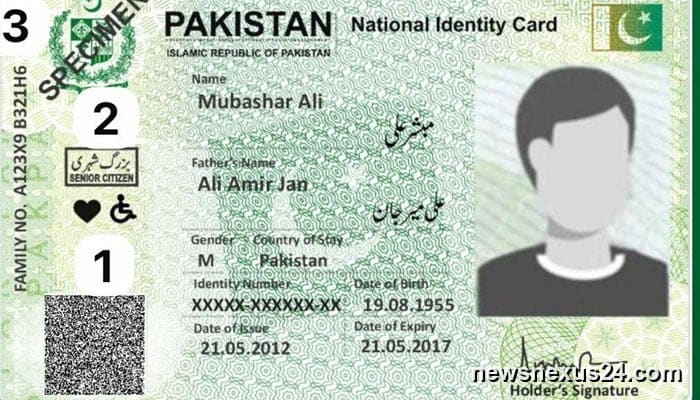
“Pakistan has introduced a QR-enabled identity framework to standardise NIC and POC formats and strengthen real-time verification.”
Key points
- Pakistan has introduced a QR-enabled identity framework to standardise NIC and POC formats and strengthen real-time verification.
- The reforms expand biometric authentication, tighten anti-fraud controls, and add facilitation measures such as lifetime IDs for senior citizens.
Islamabad: Pakistan has approved a major upgrade to its identity framework, formally introducing QR-code verification across national identity documents as part of the “One Nation – One Identity” drive.
According to the report, new amendments update the National Identity Card (NIC) and Pakistan Origin Card (POC) rules to enable fast, machine-readable authentication through a secure QR code, alongside stronger biometric checks.
The changes also allow NADRA to adopt additional technological features in the future, aiming to keep the system adaptable without repeated legal overhauls.
Authorities say the move will unify the previously parallel formats of chip-enabled and non-chip cards into a single standard design, supporting both online and offline verification and reducing manual checks.
The updated rules add tighter anti-fraud measures, including automatic suspension of verification services when an identity card is suspended. They also explicitly recognise fingerprints and iris scans as valid biometric methods.
For facilitation, citizens aged 60 and above—whether living in Pakistan or overseas—are to receive lifetime-validity cards carrying a distinct senior-citizen mark. The rules also standardise cards for residents of Azad Jammu and Kashmir through a specific residency inscription.
The government has additionally refreshed specimen formats across key ID categories—such as overseas Pakistanis, persons with disabilities, child certificates, organ donors and combined categories—embedding QR-based security as a core feature throughout.
Overall, the reforms are presented as a step toward stronger digital trust, improved service delivery and a more modern, interoperable national identity system.
Corrections & clarifications
Spot an inaccuracy or need more detail? Email connect@newsnexus24.com. Significant updates are timestamped above.


