
Investigation flags outages, water gaps and staffing crunch in Karachi fire brigade
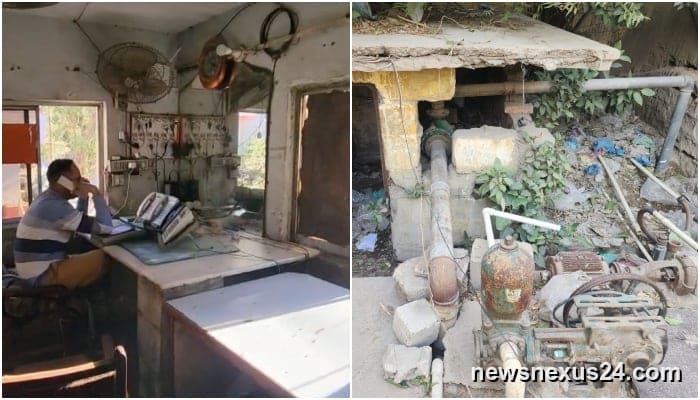
“Geo’s report on Karachi’s Central Fire Office highlights recurring power outages, limited water supply and a major staffing shortfall that undermines emergency response.”
Key points
- Geo’s report on Karachi’s Central Fire Office highlights recurring power outages, limited water supply and a major staffing shortfall that undermines emergency response.
- The investigation also cites an overwhelmed call centre and the absence of a working wireless communication system, along with difficult working conditions for firefighters.
- :contentReference[oaicite:19]{index=19}
An investigation into Karachi’s fire brigade described persistent operational breakdowns at the city’s Central Fire Office, days after the Gul Plaza blaze intensified scrutiny of emergency response. The report said the headquarters faces chronic power outages, limited water availability, staffing shortfalls and the absence of a functional communication system—factors that collectively slow response and strain day-to-day firefighting operations. :contentReference[oaicite:16]{index=16}
According to officials cited, the Central Fire Office experiences prolonged load-shedding across multiple time windows each day and is responsible for dispatching fire tenders and filling water in emergency vehicles. Even when electricity is available, the report said water supply to the facility is restricted to overnight hours through ageing pipelines, requiring storage in an underground tank before pumping into tenders. :contentReference[oaicite:17]{index=17}
The report said the brigade is short by roughly 450 employees, with an acute gap in the emergency call centre where a single operator at a time manages four phone lines, including the main emergency number 16. Officials said calls to the 16 line from mobile phones are routed to the Karachi headquarters, creating overload and delays due to verification and relay steps. After dispatch, the report said the brigade lacks a wireless or dedicated system and relies on mobile phones, noting its earlier network has been non-functional since 2011. It also cited operational risks from traffic congestion, limited public yield to emergency vehicles, lack of insurance cover, longer 12-hour duty shifts and the ending of overtime payments. :contentReference[oaicite:18]{index=18}
Corrections & clarifications
Spot an inaccuracy or need more detail? Email connect@newsnexus24.com. Significant updates are timestamped above.


