
PIA Plans Major Fleet Expansion as Revival Strategy Gains Pace
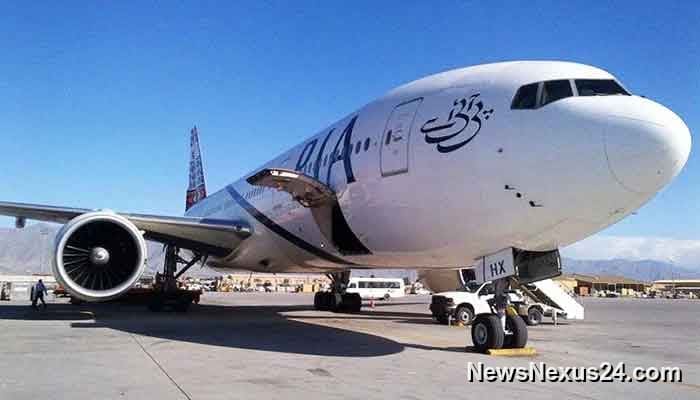
“PIA has set out a long-term plan to expand its fleet to 60 aircraft as part of a broader revival effort, with several grounded planes currently being restored for service.”
Key points
- PIA has set out a long-term plan to expand its fleet to 60 aircraft as part of a broader revival effort, with several grounded planes currently being restored for service.
- The proposal is being presented as both an aviation turnaround and a sign of wider economic confidence in Pakistan.
Pakistan International Airlines has outlined an ambitious expansion plan that would eventually take its fleet to 60 aircraft, signalling a renewed effort to rebuild the national carrier after years of financial stress, grounded planes and shrinking market confidence. The development emerged from remarks by Arif Habib, chairman of the consortium linked to PIA, during an address to industrialists in Karachi, where he presented the airline’s revival as part of a broader economic recovery narrative.
According to the details shared at the event, PIA currently owns 30 aircraft, but only 18 are in active operation. Another five to six planes are undergoing maintenance and technical work, with efforts under way to return them to service. If those restoration plans proceed as intended, the active fleet could rise to around 26 in the near term before any larger expansion phase begins.
The longer-term objective, however, is significantly more ambitious. Moving from the present operational level to a 60-aircraft target would represent a major scale-up for the state-owned airline, which has spent years struggling with fleet constraints, operational inefficiencies and reputational setbacks in both domestic and international markets. The proposed growth is being framed not as a symbolic projection, but as part of a practical turnaround plan tied to improved service capacity and commercial viability.
In his remarks, Arif Habib linked the airline’s prospects to wider economic indicators, arguing that Pakistan’s macroeconomic environment has shown signs of stabilisation. He pointed to better revenue performance, expenditure management and debt servicing data in the current fiscal year, while also stressing that sustainable recovery still depends on lowering the cost of doing business. His comments suggested that the PIA discussion is being viewed within a larger conversation about competitiveness, industrial confidence and national economic direction.
The revival push also intersects with persistent concerns over production costs and energy pricing in Pakistan. Habib argued that electricity tariffs remain high because of capacity charges and weak usage of available transmission infrastructure. In that sense, his appearance was not solely about aviation. It also reflected a broader message from the business community: that national recovery will require coordinated decisions across transport, power, industry and investment policy.
For PIA itself, the announcement is notable because the airline has long been seen as both a strategic national asset and a symbol of state-sector dysfunction. Once considered one of the region’s more recognisable carriers, it later became associated with mounting losses, ageing aircraft, route disruptions and governance failures. Any credible recovery plan, therefore, must do more than add planes. It must also convince passengers, regulators and investors that the airline can sustain safer, more efficient and more commercially disciplined operations.
The background makes the latest plan especially significant. Over the years, PIA’s fleet challenges have repeatedly affected schedules, route reliability and its ability to compete against private and foreign carriers. Maintenance delays and grounded aircraft have reduced flexibility at a time when demand patterns in aviation have been shifting quickly. The revival effort seeks to reverse that trajectory by restoring aircraft already in possession before pursuing wider expansion.
The proposed fleet growth could also have wider implications for connectivity and commerce in Pakistan. A larger and more reliable PIA could improve domestic links between major cities, support outbound labour traffic, strengthen overseas routes and create better options for business and diaspora travellers. In practical terms, fleet availability affects everything from ticket pricing and route frequency to cargo movement and the broader perception of Pakistan’s transport infrastructure.
Even so, the path ahead is unlikely to be smooth. Expanding to 60 aircraft would require capital, technical capacity, disciplined management and sustained policy continuity. It would also demand that PIA avoid the cycle of ambitious announcements followed by weak implementation that has undermined confidence in the past. Aviation specialists and market observers will be watching to see whether the near-term target of restoring additional grounded aircraft is actually achieved before larger promises are made.
For now, the announcement has injected fresh momentum into the conversation around PIA’s future. It presents the possibility that the national carrier could move from survival mode to structured rebuilding, provided operational reforms match public ambition. The next phase will depend on whether management can turn restoration targets into visible fleet additions and then translate those gains into better service, stronger finances and renewed public trust.
Corrections & clarifications
Spot an inaccuracy or need more detail? Email connect@newsnexus24.com. Significant updates are timestamped above.


