
Pakistan's Weekly Inflation Hits 1.4-Year High, PBS Data Shows
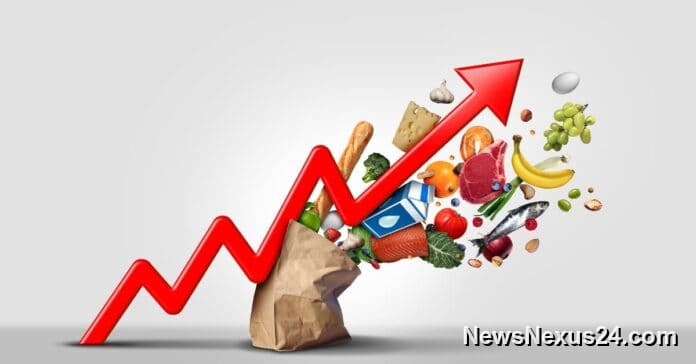
“Pakistan’s weekly inflation rose 1.93 percent in the latest SPI reading, marking the highest level in around 1.4 years and highlighting renewed pressure on household budgets.”
Key points
- Pakistan’s weekly inflation rose 1.93 percent in the latest SPI reading, marking the highest level in around 1.4 years and highlighting renewed pressure on household budgets.
- Rising food and energy costs remain the main drivers, with the burden spreading across all income groups.
Pakistan’s weekly inflation accelerated sharply in the latest official reading, underscoring how quickly household budgets are coming under strain again despite scattered declines in a few food items. Data released on Friday showed the Sensitive Price Indicator rising 1.93 percent for the week ending April 9, pushing short-term inflation to its highest level in about 1.4 years and putting fresh pressure on consumers already dealing with expensive utilities, transport and essential groceries.
The new figures, Pakistan Bureau of Statistics data, point to a broad increase in living costs across income groups rather than a narrow price shock limited to a few items. The steepest weekly increase was recorded in the highest-income bracket, where prices rose 2.56 percent, while the lowest-income group also faced a notable 1.07 percent increase. That spread suggests inflation is not only persistent but also wide enough to affect both lower-income households struggling with necessities and middle-class families trying to manage monthly expenses.
Much of the latest rise was driven by food prices, with several kitchen staples posting visible weekly jumps. Tomatoes showed the sharpest increase, followed by potatoes and onions, while eggs, beef and mutton also became more expensive. Pulse masoor moved up as well, reinforcing the sense that protein and everyday meal ingredients are again becoming harder to afford. Even where the individual increases appear modest, their combined effect can quickly reshape spending decisions for families that buy these items several times a week.
At the same time, the official data did show limited relief in selected commodities. Garlic, bananas and chicken registered declines, while wheat flour, LPG and gur edged lower. But those decreases were not enough to offset the rise in several essentials that carry heavier weight in daily household consumption. That imbalance is a key reason the latest reading is being treated as significant: consumers may notice a few cheaper items on the shelf, yet the overall shopping basket is still becoming more expensive.
Market observers cited in the report said the latest spike is the highest weekly SPI reading in 74 weeks, giving the increase added significance beyond a single reporting cycle. The year-on-year picture is even more worrying because it shows inflationary stress tied not only to food but also to energy costs. Gas charges have more than doubled from a year earlier, while diesel prices are also up by over 101 percent and petrol has surged 65.86 percent. Once fuel and utility costs rise to that extent, the impact tends to travel through the entire economy, from farm production and transport to retail distribution and household bills.
That wider backdrop helps explain why inflation in Pakistan remains difficult to contain even when some products temporarily fall in price. Traders, transporters and wholesalers typically pass higher fuel and energy costs through the supply chain, eventually pushing up the price of vegetables, meat, flour and other goods in urban and rural markets alike. For consumers, this means inflation is felt not as a single bill or one expensive product, but as a steady erosion of purchasing power across multiple parts of everyday life.
The latest SPI data also adds to a broader debate about whether Pakistan’s economic stabilisation is reaching ordinary households quickly enough. While macroeconomic indicators may show signs of recovery in some areas, weekly inflation offers a more immediate picture of what families actually face in markets. When food and fuel-related costs move upward together, the burden is especially severe for those with fixed incomes, limited savings or little room to cut non-essential spending.
For businesses and policymakers, Friday’s figures are a warning that inflation management cannot rely on headline optimism alone. Retailers must contend with weaker consumer confidence, while the government and economic managers face pressure to keep energy costs, supply bottlenecks and price-sensitive essentials under closer watch. If price increases continue at this pace, they could complicate efforts to support growth, ease interest-rate expectations and maintain public confidence in the direction of the economy.
The next few weeks will now be critical in determining whether this jump proves temporary or marks the start of another sustained inflationary phase. Much will depend on food supply conditions, fuel costs and the government’s ability to prevent further pass-through into everyday essentials. For now, the latest weekly reading has delivered a clear message: inflation remains a central economic challenge in Pakistan, and households are once again being forced to absorb the shock in real time.
Corrections & clarifications
Spot an inaccuracy or need more detail? Email connect@newsnexus24.com. Significant updates are timestamped above.


