
Pakistan Eases Entry Rules for Delegates Ahead of Islamabad Talks
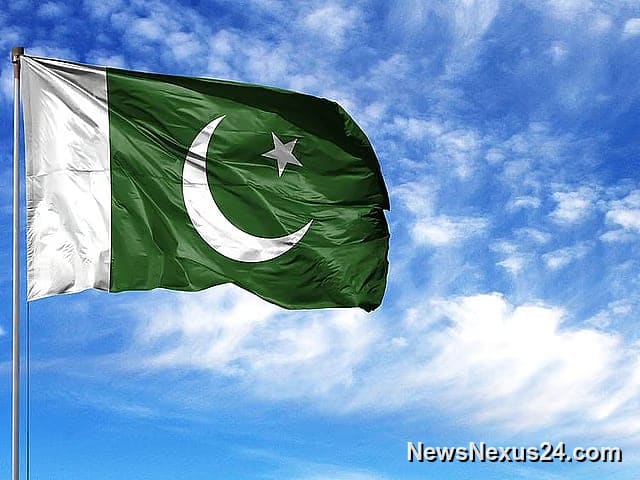
“Pakistan has allowed visa-free boarding and visa on arrival for delegates and journalists travelling for the Islamabad Talks, as the capital prepares to host US-Iran negotiations.”
Key points
- Pakistan has allowed visa-free boarding and visa on arrival for delegates and journalists travelling for the Islamabad Talks, as the capital prepares to host US-Iran negotiations.
- The step is part of a wider push to ensure smooth arrivals, tight security and uninterrupted diplomacy during a sensitive regional moment.
Pakistan on Friday introduced exceptional travel facilitation measures for participants in the upcoming Islamabad Talks, allowing visa-free boarding for eligible travellers and promising visas on arrival once they land in the country. The move comes as Islamabad prepares to host delegations linked to high-stakes US-Iran negotiations expected over the weekend, placing the capital at the center of one of the region’s most closely watched diplomatic efforts.
The announcement was made by Deputy Prime Minister and Foreign Minister Ishaq Dar, who said airlines had been directed to permit boarding for people travelling specifically in connection with the talks. The arrangement is meant to speed up the entry of official delegates, support staff and journalists from participating countries, reducing the risk of administrative delays ahead of meetings intended to build on a recently announced pause in hostilities.
Officials have presented the policy as part of a broader effort to ensure that the diplomatic process proceeds without logistical disruption. Islamabad is due to host discussions between representatives of Iran and the United States after a two-week ceasefire reportedly helped create space for formal engagement. By opening the door to expedited travel, Pakistan is signaling that it wants the negotiating process to begin on schedule and under tightly managed conditions.
Alongside the travel waiver, the interior ministry has intensified security preparations in the federal capital. Interior Minister Mohsin Naqvi reviewed the arrangements for visiting dignitaries and said Pakistan regarded the talks as both an honour and a responsibility. Authorities have set up a dedicated control room, sealed the Red Zone to all but authorised persons, and rolled out strict access management for routes tied to the movement and protection of foreign guests.
Security planning appears to be operating on multiple layers. Large numbers of police and security personnel have been deployed across Islamabad and Rawalpindi, while military and paramilitary units are expected to guard the most sensitive areas. Important government buildings, major approach roads and high-security installations have come under heightened surveillance, and specially designated movement corridors have been prepared for visiting delegations travelling from the airport to their accommodation and meeting venues.
The exceptional arrangements reflect how quickly Pakistan’s role in the wider crisis has evolved. What began as emergency diplomacy to contain a dangerous confrontation has now shifted into a more formal mediation setting, with Islamabad positioning itself as a facilitator between rival sides that remain deeply distrustful of one another. In recent days, Pakistani officials have repeatedly emphasized de-escalation, diplomacy and continuity of dialogue, suggesting that the government sees this moment as strategically important for both regional stability and Pakistan’s international standing.
The talks also come after visible administrative disruption inside the capital. Parts of Islamabad and nearby areas have faced restrictions, road controls and reinforced checkpoints as the authorities prepare for the arrival of foreign delegations. These measures show the scale of the state response and underline that the event is being treated as a matter of national security as well as foreign policy significance.
For Pakistan, the immediate impact is twofold. On one level, the visa-on-arrival decision projects an image of readiness, flexibility and diplomatic seriousness. On another, it places the country under scrutiny to deliver both security and procedural efficiency while hosting a sensitive international engagement. A smooth process could bolster Pakistan’s claim to a constructive regional role, while any disruption would quickly attract attention far beyond its borders.
The next test will come when the delegations arrive and formal discussions begin in Islamabad. If the special entry measures work as intended and the security architecture holds, Pakistan will have cleared an important first hurdle in hosting the talks. Whether that translates into a durable diplomatic breakthrough will depend on the substance of the negotiations, but Friday’s decision shows Islamabad is determined to remove every practical obstacle before the dialogue starts.
Corrections & clarifications
Spot an inaccuracy or need more detail? Email connect@newsnexus24.com. Significant updates are timestamped above.


