
Hania Aamir Slams Online Toxicity, Calls Out Gendered Trolling
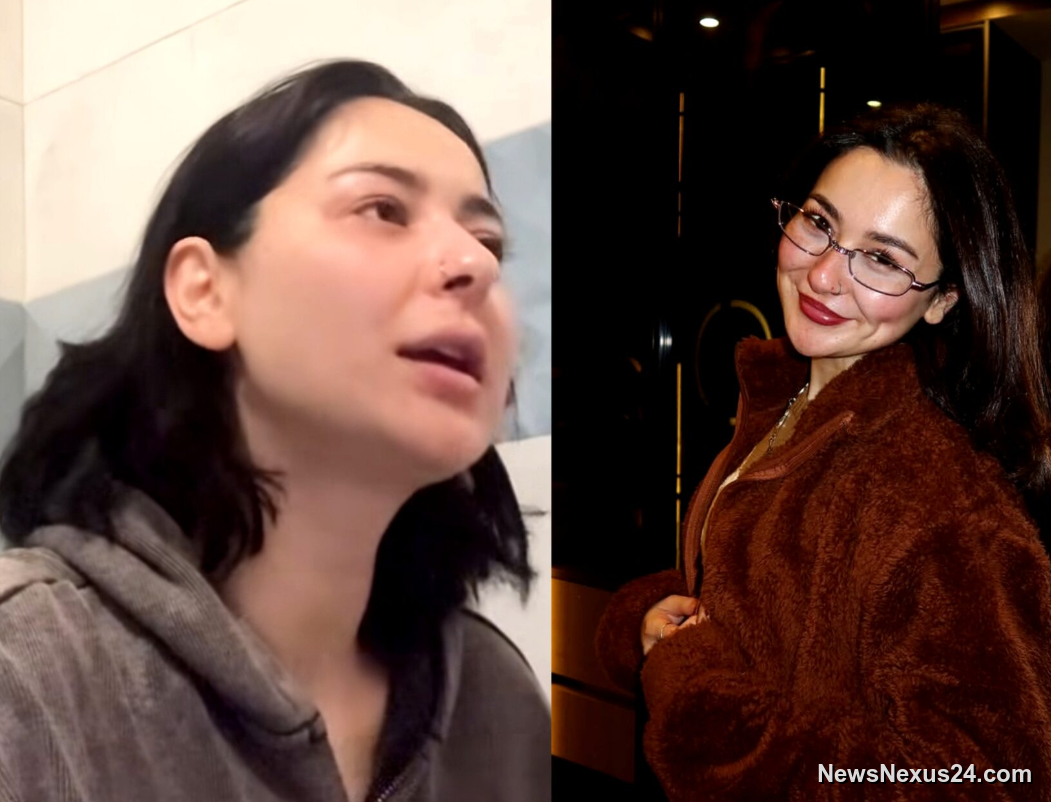
“Pakistani actor Hania Aamir has sparked a major online conversation after condemning toxic comparisons, bullying and the gendered scrutiny women face on social media.”
Key points
- Pakistani actor Hania Aamir has sparked a major online conversation after condemning toxic comparisons, bullying and the gendered scrutiny women face on social media.
- Her remarks, made after criticism over recent Eid photos, turned a celebrity backlash into a wider debate about digital culture and misogyny in Pakistan.
Pakistani actor Hania Aamir has emerged at the center of one of the day’s most widely discussed entertainment stories after speaking out against online abuse and the culture of comparing women on social media. In a candid video shared on Friday after a period of relative silence, Aamir said the criticism directed at her was not simply about celebrity gossip or personal style, but part of a broader pattern in which women are judged, ranked and pressured to fit narrow expectations.
The actor’s remarks quickly gained traction because they touched a familiar nerve in Pakistan’s digital culture. Aamir, who is among the country’s most visible and socially active celebrities, has built a public image around spontaneity, humour and an easy connection with younger audiences online. That same openness, however, has repeatedly made her a target for commentary about how she dresses, speaks, behaves and presents herself in public spaces. What might appear at first glance to be routine celebrity trolling has, in her telling, become something deeper and more exhausting.
In the video, Aamir described a period of emotional fatigue in which she stepped back to reflect on the backlash and the pressures that came with it. She said she had reached a point where she questioned whether she needed to change herself in order to satisfy other people’s expectations. Instead of arriving at self-blame, she said she came to a harsher conclusion about the environment around her: that women who appear confident, happy and comfortable in their own skin often provoke resentment rather than acceptance.
Her most quoted remarks turned the discussion from personal frustration into a wider social argument. Aamir said the old mindset of worrying about what people will say has not disappeared; it has simply moved online and become louder, faster and more ruthless. She also criticised the trend of turning women into side-by-side comparison content, particularly viral “this or that” posts that invite users to measure one public figure against another. In her view, the fact that women are so often pushed into this framework reveals a double standard that male celebrities do not face in the same way. She also urged people to ask themselves whether criticism of women is sometimes driven less by principle and more by discomfort with women who succeed or refuse to behave as expected.
The immediate background to the controversy was the reaction to Aamir’s recent Eid photographs, in which she appeared in a white-and-red sari with minimal visible makeup. What might have remained an ordinary festive photo post instead drew criticism from some social media users, who questioned the styling of the outfit and framed it through debates about identity, culture and appearance. The response reignited a familiar pattern in Pakistani online spaces, where women in the public eye often find themselves facing disproportionate scrutiny over clothing choices that would otherwise be treated as personal expression.
Aamir’s intervention matters because it goes beyond defending a single wardrobe choice or answering a passing wave of trolls. Her comments tapped into a long-running argument about how women are treated online in Pakistan, especially those in entertainment, where visibility often comes with relentless judgment. Social media has given stars direct access to fans, but it has also collapsed the boundary between admiration and harassment. Praise, mockery, moral policing and personal attacks can now arrive in the same feed within minutes, creating an environment in which celebrities are expected to remain accessible while absorbing constant public evaluation.
The conversation also reflects a wider tension in Pakistani pop culture. Female performers are encouraged to be stylish, relatable and digitally present, yet they are often criticised the moment they appear too outspoken, too playful, too unconventional or too self-assured. That contradiction has made Aamir’s comments resonate beyond her own fan base. Supporters saw her remarks as a sharp articulation of what many women experience online, while critics were forced to confront whether what is dismissed as harmless banter is in fact part of a larger pattern of gendered hostility.
For Pakistan’s entertainment industry, the issue has practical importance as well. Public figures increasingly rely on social media not just for visibility but for work, brand value and audience connection. When digital platforms become spaces of constant intimidation, they affect how artists communicate, how openly they express themselves and how younger women imagine participating in public life. Aamir’s comments therefore carry implications beyond celebrity culture, touching on questions of expression, safety and the emotional cost of being visible in an always-online society.
The next stage of the story will depend on whether the reaction fades as another social media cycle passes or turns into a broader discussion about online conduct and the treatment of women in public life. For now, Aamir has succeeded in shifting the frame of the debate. Instead of allowing the discussion to remain about one actor’s personality or photos, she has forced attention onto the culture that rewards comparison, amplifies cruelty and treats women’s confidence as something that must constantly be corrected.
Corrections & clarifications
Spot an inaccuracy or need more detail? Email connect@newsnexus24.com. Significant updates are timestamped above.


