
PTA Tells Pakistanis to Update CNICs or Face SIM Blockage
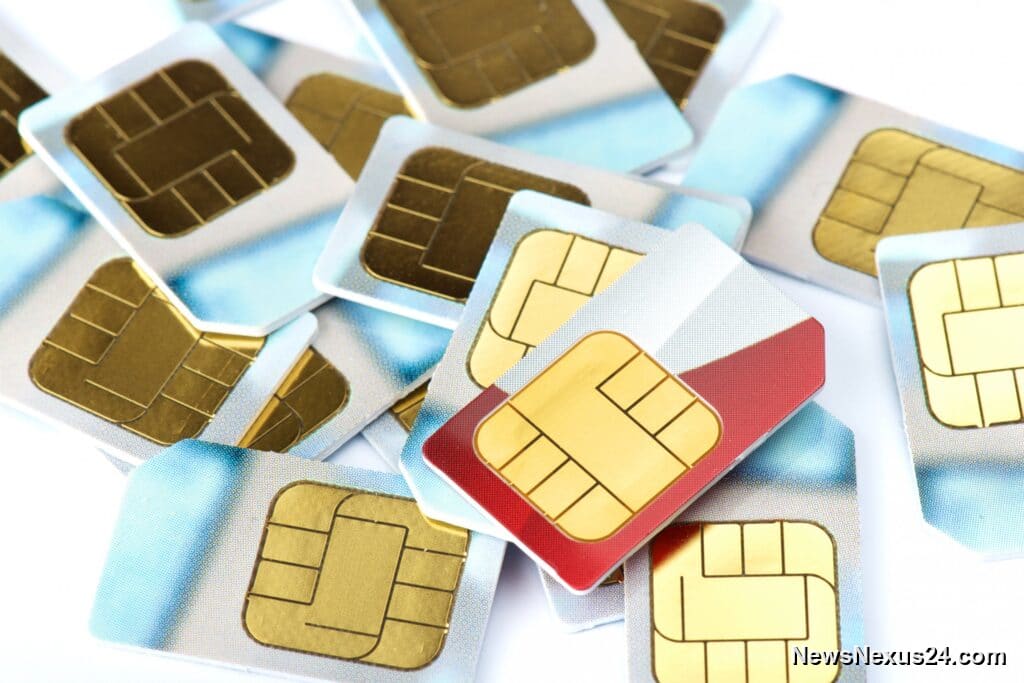
“PTA has warned Pakistani mobile users to update CNIC-linked SIM records or face service blockage, with extra concern over numbers registered to expired, cancelled or deceased identities.”
Key points
- PTA has warned Pakistani mobile users to update CNIC-linked SIM records or face service blockage, with extra concern over numbers registered to expired, cancelled or deceased identities.
- The notice has broad implications because mobile numbers are tied to communication, banking alerts and digital verification across Pakistan.
Pakistan’s telecom regulator has issued a fresh warning that could affect millions of mobile users across the country, telling subscribers to immediately review the identity status linked to their SIM cards or risk having those connections blocked. The notice, focuses on SIMs tied to expired or cancelled Computerized National Identity Cards and has quickly become one of the day’s most talked-about public-service alerts because of its direct impact on everyday communication.
According to the report, the Pakistan Telecommunication Authority wants users to ensure that every active mobile number in their name is backed by a valid CNIC. The regulator’s concern is not limited to technical record-keeping. If a SIM remains linked to identity information that is no longer legally valid, the connection could be suspended, cutting off access to voice calls, text messages, mobile data and, for many people, banking alerts and app-based verification codes.
The warning becomes even more serious in cases involving the identities of deceased individuals. The PTA has indicated such registrations could lead not only to service disruption but also to legal consequences. That raises the issue from a routine telecom update to a wider compliance and fraud-prevention matter, especially in a country where improperly registered SIMs have long been associated with security risks, impersonation and misuse of digital services.
Officials are also urging subscribers to cross-check their records with NADRA so that telecom data and national identity records remain aligned. On paper, this may sound like an administrative exercise, but in practice it can affect nearly every aspect of modern life. Mobile numbers in Pakistan are often used for biometric verification, branchless banking, e-wallet access, ride-hailing, food delivery, workplace communication and family contact. Losing a SIM because of unresolved identity details can therefore create disruption far beyond basic calling service.
The regulatory push reflects a broader effort to tighten the integrity of Pakistan’s telecom ecosystem. Authorities appear to be trying to close loopholes that allow old, inactive or improperly documented identity records to remain attached to active connections. In a digital environment where one phone number often acts as a gateway to multiple financial and social services, the state has growing incentives to ensure that every connection can be traced to a current and lawful identity profile.
The issue also highlights a recurring challenge in Pakistan’s documentation and service-delivery system: many users do not realise the consequences of letting identity documents expire. A person may renew a CNIC late, fail to update linked records, or continue using a number that was originally obtained under details no longer considered valid by the system. In such cases, service interruption can come as a shock, even though the underlying problem has existed for months. That is one reason stories like this gain viral traction so quickly—they affect ordinary users who may not have been actively watching regulatory notices.
There is a wider public-interest dimension as well. Pakistan has spent years strengthening SIM registration rules to reduce fraud, improve traceability and support law-enforcement oversight. Biometric verification and identity-linked telecom registration became central to that policy direction, especially after security concerns pushed regulators to tighten controls around anonymous or misused numbers. The current warning fits into that longer pattern, but its tone suggests authorities want the public to act before enforcement steps begin rather than after widespread blockages occur.
For consumers, the practical implications are immediate. Anyone whose CNIC has expired, been cancelled, or is not properly reflected against their mobile registration may need to update records urgently to avoid sudden service loss. Families should also review numbers that may still be operating under the names of deceased relatives, because those cases could draw sharper scrutiny. Businesses, freelancers and remote workers are especially vulnerable if a blocked number interrupts client contact, authentication codes or payment notifications.
What happens next will depend on how aggressively the directive is enforced and how quickly users respond. If subscribers move early to verify their information with NADRA and the relevant mobile operators, the issue may pass as a preventive cleanup. If not, Pakistan could see a wave of blocked SIMs, public complaints and last-minute rushes to update records. For now, the regulator’s message is straightforward: mobile access is no longer just a convenience in Pakistan’s digital economy, and keeping identity records current has become essential to staying connected.
Corrections & clarifications
Spot an inaccuracy or need more detail? Email connect@newsnexus24.com. Significant updates are timestamped above.


