
Iran’s 10-point truce plan sets stage for Islamabad talks
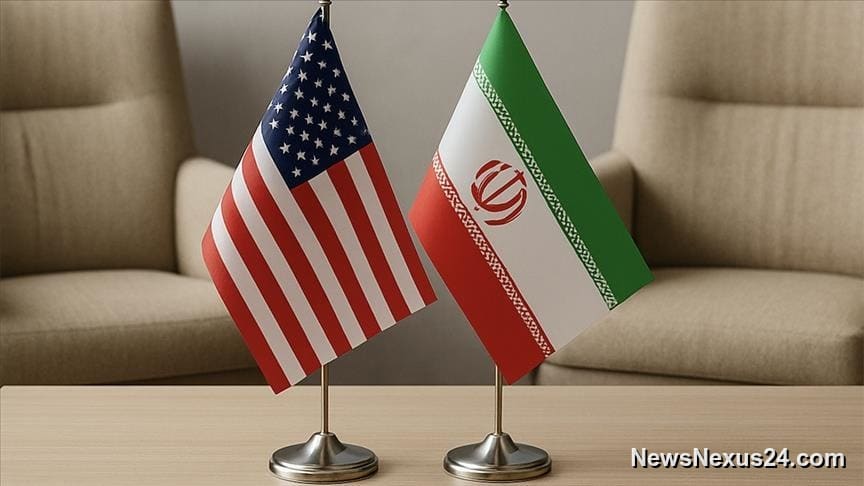
“Iran has proposed a 10-point framework to end the war with the United States, with talks expected to begin in Islamabad after a two-week ceasefire.”
Key points
- Iran has proposed a 10-point framework to end the war with the United States, with talks expected to begin in Islamabad after a two-week ceasefire.
- The plan combines demands on sanctions, military withdrawal, frozen assets, nuclear recognition and control of Hormuz, placing Pakistan at the centre of a critical diplomatic effort.
Iran has unveiled a 10-point framework aimed at ending its war with the United States, placing Pakistan at the centre of a potentially decisive diplomatic phase. On April 8 that the proposal emerged after Washington agreed to a two-week ceasefire, with Iranian and American representatives expected to begin talks in Islamabad on April 11. The plan was described as the basis for negotiations after a day of intense threats, military escalation and last-minute mediation.
At the heart of Tehran’s proposal is the future of the Strait of Hormuz, the waterway whose disruption has rattled global energy markets and alarmed import-dependent economies such as Pakistan. Iran’s framework calls for controlled transit through the strait in coordination with its armed forces, a formula that would give Tehran a central role in regulating one of the world’s most important oil routes. The proposal also demands an end to the broader war against what Iran calls the axis of resistance and the withdrawal of American combat forces from regional bases.
The remaining elements of the plan combine military, economic and diplomatic demands. Iran is seeking compensation for war-related losses, the lifting of primary and secondary sanctions, removal of international restrictions, the release of frozen Iranian assets abroad and formal acceptance of its uranium enrichment programme as part of a final settlement. Tehran also wants the eventual agreement to be endorsed through a binding resolution of the United Nations Security Council, a move that would give the arrangement international legal weight and make it harder to reverse.
Iran’s Supreme National Security Council said the upcoming discussions in Islamabad would proceed on the basis of these principles and stressed that the current pause should not be interpreted as a complete end to the conflict. The United States, according to the report, has treated the proposal as a workable foundation for talks rather than a final settlement. Prime Minister Shehbaz Sharif also signalled that Pakistan’s diplomatic outreach had created a narrow but real opening for negotiation and had urged all sides to use the temporary pause to pursue a more lasting outcome.
The proposed talks come after a dramatic reversal in the crisis. Earlier, the US side had maintained a hard deadline tied to Iran’s handling of the Strait of Hormuz, while fears of wider strikes pushed oil traders, governments and regional allies into emergency calculations. By the time the ceasefire was announced, the conflict had already sent a shockwave through global markets and renewed concern over energy security, inflation and shipping risks. In that setting, Iran’s 10-point document quickly became more than a statement of demands; it became the first structured roadmap attached to the ceasefire.
The background to the current crisis is equally important. The war has stretched on for weeks, with attacks and counterattacks widening beyond direct US-Iran confrontation and placing several countries across the region under pressure. Civilian casualties, damage to infrastructure and threats to Gulf energy facilities have all raised the stakes. Pakistan, which has tried to balance regional relationships while protecting its own economic interests, has increasingly been drawn into a mediation role because instability in the Gulf directly affects its fuel supplies, inflation outlook and wider economic confidence.
Another significant development is that the ceasefire framework appears to link diplomacy with immediate operational steps on the ground. Iranian officials have indicated that safe passage through Hormuz could be facilitated during the pause, while Washington has signalled readiness to explore a negotiated path rather than immediate escalation. That does not mean the risks have disappeared. The language from Tehran remains conditional, and the pause is still fragile enough that a single military misstep or political reversal could undo the process before talks properly begin.
For Pakistan, the implications go far beyond diplomatic prestige. Hosting negotiations would reinforce Islamabad’s role as a regional intermediary at a moment when the Middle East conflict has direct consequences for Pakistan’s oil import bill, transport costs and inflationary pressure at home. Any stabilisation of shipping routes would matter immediately to households, businesses and policymakers already dealing with the economic fallout of energy volatility. A successful mediation effort could also improve Pakistan’s standing with multiple international stakeholders at once.
The next stage will depend on whether both sides arrive in Islamabad ready to translate broad principles into detailed commitments. The 10-point plan sets out Iran’s preferred terms, but the real test will be whether negotiators can narrow differences on sanctions, military posture, nuclear issues and maritime access quickly enough to preserve the ceasefire. For now, the proposal has opened a diplomatic window that did not appear available only hours earlier, and Pakistan is set to host one of the most consequential conversations of the current crisis.
Corrections & clarifications
Spot an inaccuracy or need more detail? Email connect@newsnexus24.com. Significant updates are timestamped above.


