
Shehbaz rules out mini-budget before FY27 budget amid inflation pressure
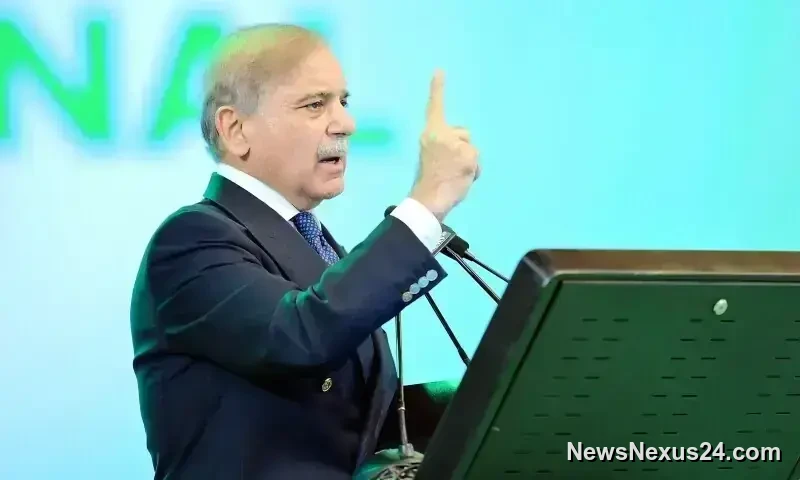
“Prime Minister Shehbaz Sharif has ruled out a mini-budget and any fresh surprise taxes before Pakistan’s FY27 federal budget, offering short-term relief to consumers and businesses under inflation pressure.”
Key points
- Prime Minister Shehbaz Sharif has ruled out a mini-budget and any fresh surprise taxes before Pakistan’s FY27 federal budget, offering short-term relief to consumers and businesses under inflation pressure.
- The focus now shifts to the June budget, where the government will have to balance revenue needs with public and market expectations.
Prime Minister Shehbaz Sharif has decided that Pakistan will not introduce a mini-budget before the federal budget for fiscal year 2026-27, easing immediate fears of fresh taxes at a time when households and businesses are already struggling with inflation and high fuel costs. The decision was reported on Tuesday, with the government also indicating that the next full budget will now be presented in the first or second week of June instead of being brought forward.
According to the report, multiple proposals aimed at raising extra revenue were placed before the prime minister in recent meetings. Those suggestions included both new tax measures and increases in existing rates, but they were turned down. The instruction from the top was clear: no supplementary budget would be announced before June, and federal departments were told not to add more financial strain to a public already unsettled by record fuel prices and wider cost-of-living pressure.
The move matters because talk of a mini-budget usually signals urgent attempts to plug a fiscal gap between annual budgets. In Pakistan, such packages often raise concern among traders, salaried households and investors because they can bring sudden duties, levies or other policy adjustments with little time for the market to absorb them. By ruling out that route for now, the government has tried to send a message of short-term stability, even if the larger fiscal challenge has not gone away.
Officials also appear to be recalibrating economic planning in response to the wider regional environment. The report said the prime minister directed economic teams to revisit spending priorities and revenue assumptions in light of the current situation. That suggests Islamabad is reassessing how external shocks, especially energy-related ones, could affect public finances, inflation management and the political room available for new revenue measures in the weeks before the annual budget.
The decision is likely to be welcomed by consumers and segments of the business community that were bracing for more abrupt fiscal tightening. Pakistan has already seen a rise in public anxiety over inflation, transport costs and essential household expenses, and any surprise taxation before the new budget risked deepening that pressure. A pause on new taxes may provide temporary relief, but it also increases attention on how the government will balance revenue needs with public expectations once the June budget is unveiled.
The background to this development is Pakistan’s continued effort to manage a difficult economic landscape shaped by imported energy dependence, weak consumer sentiment and tight fiscal space. In such circumstances, governments often weigh whether to raise taxes quickly, cut spending, delay commitments or wait for the main budget cycle to package difficult decisions more strategically. The latest move suggests the federal government has chosen to delay politically costly measures rather than trigger another wave of public backlash before presenting its full budget framework.
There is also a signalling effect in the timing. With the annual budget only weeks away, the government may be trying to avoid piecemeal interventions that create confusion and damage credibility. A mini-budget now, followed by a larger fiscal plan in June, would have risked making policy look reactive and fragmented. By keeping all major tax decisions for the upcoming budget, Islamabad can attempt to present a more coherent plan that ties revenue, spending and growth assumptions together in one document.
For Pakistan’s economy, the immediate impact is psychological as much as financial. The announcement lowers the risk of sudden tax shocks in the short term and gives businesses a brief window of predictability. But the underlying pressures remain, and they will resurface when the FY27 budget is tabled. The next test for the government will be whether it can produce a June budget that protects growth, avoids excessive pain for consumers and still convinces markets that fiscal discipline has not been abandoned.
Corrections & clarifications
Spot an inaccuracy or need more detail? Email connect@newsnexus24.com. Significant updates are timestamped above.


