
Rawalpindi bans gatherings before PTI Adiala protest, April 9 rally
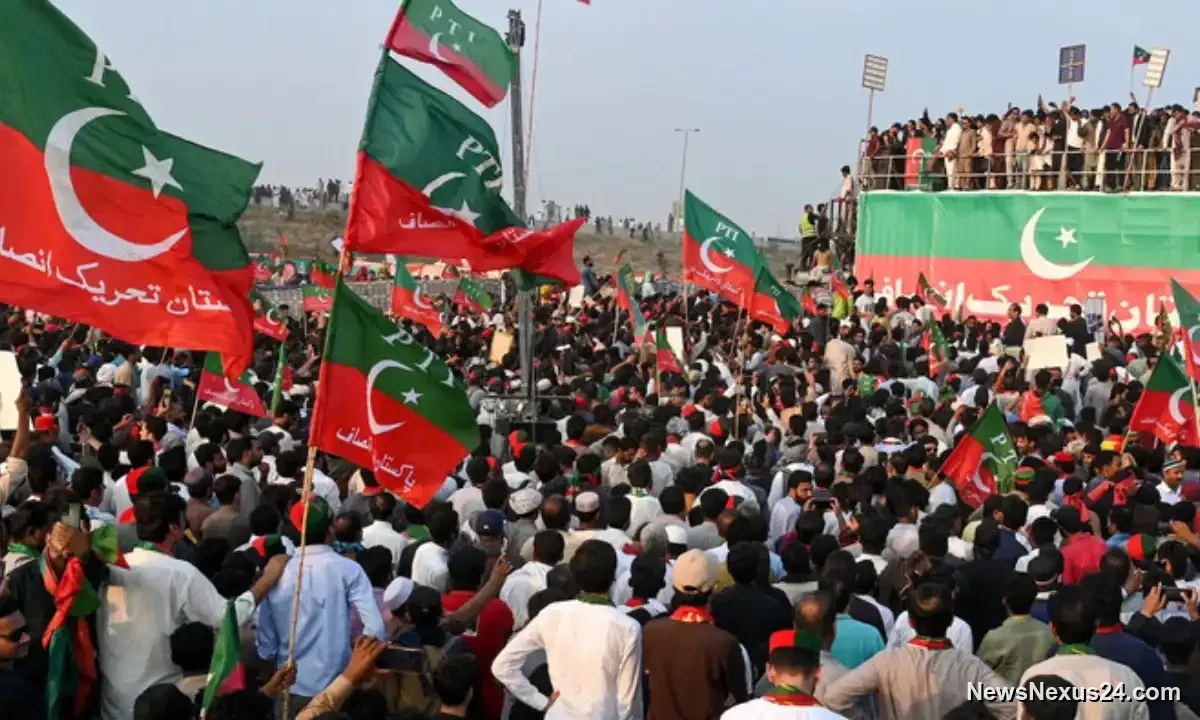
“Rawalpindi has imposed Section 144 before PTI’s planned protest outside Adiala jail and its April 9 rally, citing intelligence-based security threats around sensitive sites.”
Key points
- Rawalpindi has imposed Section 144 before PTI’s planned protest outside Adiala jail and its April 9 rally, citing intelligence-based security threats around sensitive sites.
- The move, along with reported detentions of PTI figures, has intensified an already charged political standoff over Imran Khan’s detention and the opposition’s right to mobilise.
Rawalpindi district authorities have imposed Section 144 ahead of two Pakistan Tehreek-i-Insaf gatherings linked to former prime minister Imran Khan, sharply raising the political temperature in one of the country’s most sensitive administrative zones. The order comes before a planned protest outside Adiala jail and a separate April 9 rally, turning what PTI describes as peaceful political mobilisation into a developing confrontation over public order, access to protest space and the limits of opposition activity.
According to the official order reported on Tuesday, the restriction will remain in force from April 6 to April 20 across Rawalpindi district. During that period, gatherings, sit-ins and protests have been barred, while assemblies of five or more people are prohibited under the administration’s interpretation of the security threat. The move places the district under an unusually tight preventive framework at a time when party supporters were preparing to gather around a highly symbolic political issue: Khan’s continued detention and restrictions on meetings with him at Adiala jail.
The administration has justified the decision on security grounds. A District Intelligence Committee meeting held on April 4, according to the order, warned of an immediate risk around sensitive installations, major roads and other important sites. Officials said intelligence inputs suggested that some groups could attempt to use large gatherings to disturb law and order, with concern also expressed about possible activity near softer civilian locations. That rationale formed the basis for the district administration’s decision to activate broader public restrictions instead of allowing protests under controlled conditions.
The ban is not limited to crowd size alone. Authorities have also prohibited the display of arms, objectionable or hate speech, loudspeaker use and pillion riding, while specifically naming items such as spikes, batons, slingshots, ball bearings, petrol bombs and improvised explosives among objects barred under the order. In effect, the administration has framed the coming days as a security operation as much as a civic regulation exercise. For PTI, however, the restrictions are likely to be seen as another example of the state narrowing the opposition’s room to organise around Khan’s incarceration.
Tensions rose further when several PTI figures were reportedly detained later in the day while heading toward Adiala. Those named in the report included Punjab Assembly opposition leader Moeen Qureshi, parliamentary leader Farrukh Javaid Moon and MPA Ali Imtiaz Warraich. Their reported detention added a coercive edge to the day’s developments, suggesting that the clampdown was already moving beyond notifications and into active enforcement. In practical terms, it also signalled to party workers that the state may act early to prevent mobilisation rather than waiting for crowds to build.
The confrontation is rooted in a pattern that has developed over recent months. PTI supporters have repeatedly staged demonstrations near or outside the prison complex on Tuesdays and Thursdays, the days on which court orders have allowed visits to Khan. The party says those protests are tied to repeated curbs on access to the jailed former premier by family members, lawyers and political associates. That has turned Adiala from a detention site into a recurring political flashpoint where legal, symbolic and street-level pressures regularly intersect.
The April 9 rally carries an additional layer of meaning. PTI has linked it to the anniversary of Khan’s removal from office through a no-confidence vote in 2022, making the date politically charged for the party’s support base. Khyber Pakhtunkhwa Chief Minister Sohail Afridi said the demonstration would be a one-day peaceful activity intended to highlight what PTI describes as democratic regression, economic decline, inflation and delays in hearings related to Khan’s cases. He also said his convoy would leave Peshawar at 11am on April 9, with participants joining from different districts along the way.
For Pakistan, the immediate impact reaches beyond one party’s protest plan. Restrictions in Rawalpindi affect movement, policing priorities and the broader political climate in the federal region, especially when the dispute involves a party that still commands a large and motivated street presence. Every such standoff also sharpens debate over whether public-order laws are being used proportionately for security or expansively for political containment. At a time of already high public frustration over inflation and governance, a new round of confrontation could deepen mistrust between opposition supporters and state institutions.
What happens next will depend on whether authorities keep the restrictions intact without modification and whether PTI tries to test the limits of the order through symbolic or dispersed mobilisation. If the party presses ahead in visible numbers, Rawalpindi could see a tense face-off between police enforcement and political defiance in the coming days. If a compromise route emerges, the immediate flashpoint may cool, but the underlying struggle over Khan’s detention, opposition space and the state’s management of dissent is likely to remain firmly at the centre of Pakistan’s political conversation.
Corrections & clarifications
Spot an inaccuracy or need more detail? Email connect@newsnexus24.com. Significant updates are timestamped above.


