
NADRA Pak ID app adds visa filing and facial verification tools
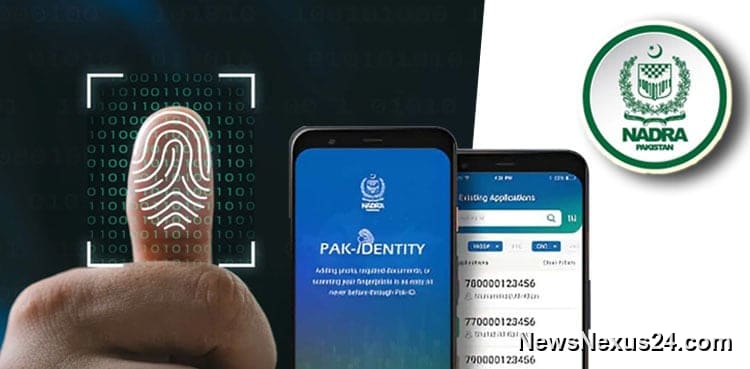
“NADRA has updated the Pak ID mobile app with two major additions: passport-image data extraction for visa applications and facial-recognition biometric verification.”
Key points
- NADRA has updated the Pak ID mobile app with two major additions: passport-image data extraction for visa applications and facial-recognition biometric verification.
- The change is aimed at making Pakistan’s digital visa process faster and easier for foreign nationals using official online channels.
Pakistan’s visa and digital identity system received a notable update on Monday after NADRA rolled out a new version of its Pak ID mobile application, adding tools meant to simplify visa applications and biometric verification. The change is significant because it affects one of the most visible parts of Pakistan’s online citizen and travel-services ecosystem, especially for foreign nationals trying to navigate official procedures with less paperwork and fewer manual steps.
The updated app now allows foreign nationals from 193 countries to apply for all visa categories through a more streamlined process. That gives the development broader relevance than a routine software refresh. Instead of treating the app only as a document-related utility, NADRA is positioning it more directly as a gateway for handling visa-related interactions in a smoother and more digital way.
At the centre of the update are two practical additions. The first allows users to capture or upload a passport image directly inside the application, after which the system automatically reads and extracts key details such as the holder’s name, passport number and expiry date. The second is an upgraded biometric verification feature that uses facial recognition across all categories, reducing reliance on more cumbersome verification paths and potentially speeding up how applicants move through the process.
NADRA’s message, as reported by the outlet, was straightforward: users should update or download the latest version of the Pak ID app to access faster and more efficient services. While the article did not present a lengthy formal statement, the direction from the authority was clear enough. The update is being introduced not as an optional experiment but as part of a wider effort to make the user journey more seamless, particularly where identity confirmation and travel documentation intersect.
The move fits into a larger pattern of digital transition in Pakistan’s public-service architecture. NADRA has for years been at the centre of the country’s identity management system, and its digital tools have increasingly expanded beyond basic document support into remote verification and online processing. Official NADRA guidance already ties the Pak ID ecosystem to biometric and facial verification, while Pakistan’s online visa platform has also been geared toward remote submissions. This latest upgrade appears to bring those strands closer together in a way that could reduce friction for applicants.
For foreign visitors, business travellers, overseas families and others interacting with Pakistan’s visa system, the practical value lies in convenience and data accuracy. Auto-reading passport information can reduce manual entry errors, while facial verification may help users who face delays or confusion in traditional identity checks. In administrative terms, even small improvements at the application stage can matter because they can cut repeated submissions, lower support requests and make processing more consistent across a large number of applicants.
The development also has a wider national relevance. Pakistan has repeatedly tried to modernise its image as a destination that can handle official procedures through digital channels rather than slow, document-heavy processes. Visa accessibility and ease of onboarding matter not only for tourism, but also for business travel, investment visits, family mobility and international confidence in state platforms. When a government body like NADRA improves the front end of that process, it sends a signal about institutional readiness and service modernization.
Still, the long-term impact will depend on execution rather than announcement alone. The app’s performance under real-world demand, the reliability of passport-detail extraction, the accuracy of facial recognition and the overall user experience will determine whether the update becomes genuinely useful or merely looks promising on paper. If the system works smoothly, it could strengthen Pakistan’s push toward a more efficient digital visa environment. If technical issues emerge, the pressure will quickly shift back onto support desks and manual workarounds.
For now, the update stands out as one of the day’s clearest visa-related developments from a Pakistani source. It combines technology, public service and travel facilitation in a way that is likely to matter both to foreign applicants and to Pakistan’s broader effort to digitise how official access is granted. The immediate next step is simple: adoption. The more effectively users and agencies absorb the new tools, the more meaningful this update will become in practice.
Corrections & clarifications
Spot an inaccuracy or need more detail? Email connect@newsnexus24.com. Significant updates are timestamped above.


