Cabinet approves sugar-sector deregulation to meet IMF condition
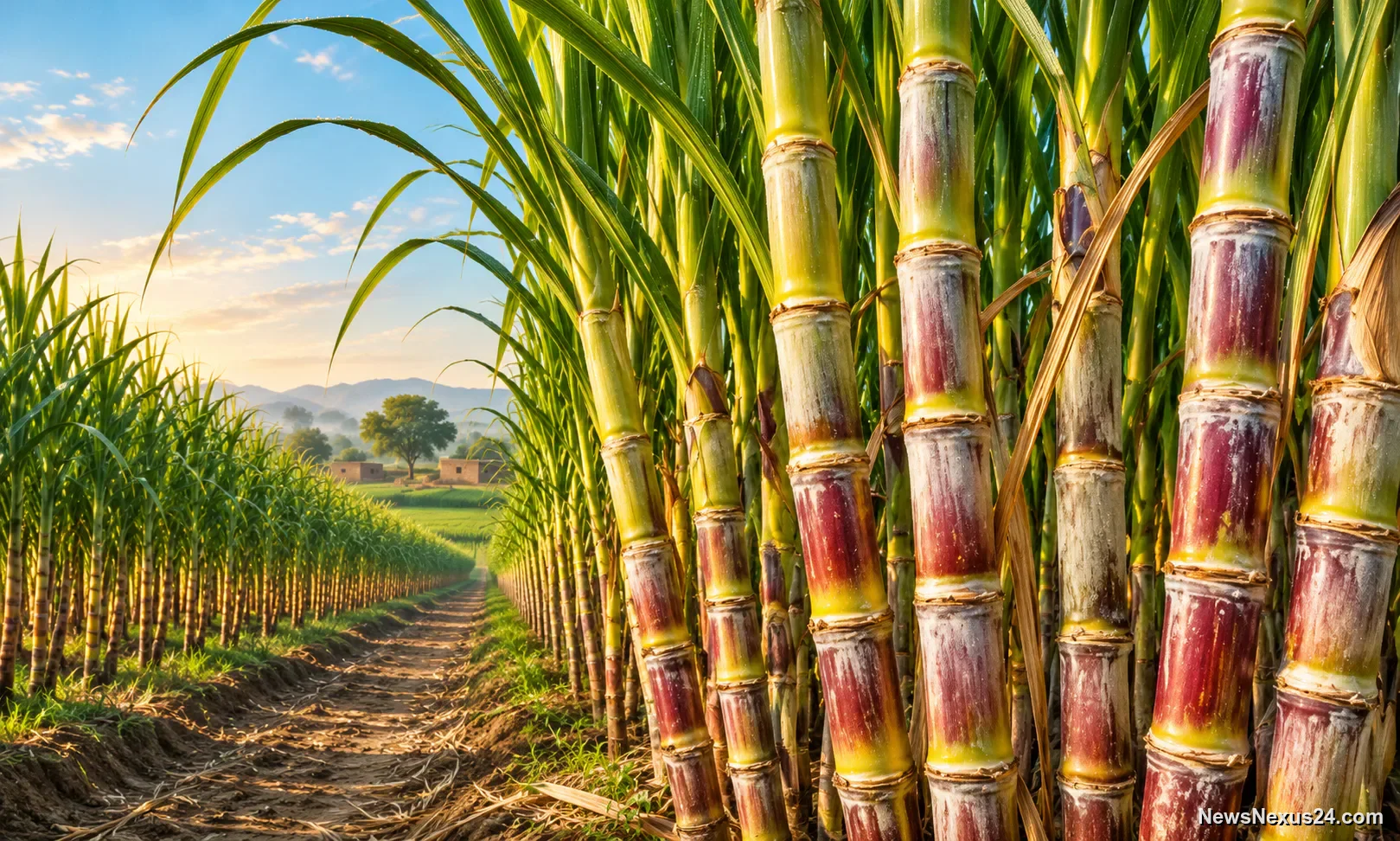
“Pakistan’s federal cabinet has approved sugar-sector deregulation, ending export subsidies, price controls and restrictions on inter-provincial sugar movement.”
Key points
- Pakistan’s federal cabinet has approved sugar-sector deregulation, ending export subsidies, price controls and restrictions on inter-provincial sugar movement.
- The policy fulfils a delayed IMF benchmark while introducing market-based pricing and safeguards for sugarcane growers.
The federal cabinet has approved a policy to deregulate Pakistan’s sugar sector, ending export subsidies, government price controls and restrictions on the movement of sugar between provinces. The decision fulfils a delayed structural benchmark set under Pakistan’s IMF programme.
The National Policy for Deregulation of Sugar Sector was approved through circulation. Prime Minister Shehbaz Sharif did not participate in sugar-sector decisions because members of his immediate family are involved in the sugar business, according to informed sources.
The policy is intended to reduce the government’s role across the sugar supply chain, including sugarcane pricing, production, imports and exports. The IMF had pressed Pakistan to move towards a market-led system as part of the programme’s structural reform conditions.
Pakistan had remained in breach of the sugar-sector deregulation benchmark since June 2026. Completion of the measure was required before the IMF Executive Board meeting scheduled for December 11, when Pakistan’s programme reviews are expected to be considered.
Approval of the policy had been delayed after Sindh withheld consent while the other provinces had agreed to the draft. Sindh cleared the policy on November 21 after negotiations and amendments to the proposed framework.
Under the new policy, sugarcane growers will be able to sell their crop to any buyer, while mills will be able to sell their output freely. Sugarcane prices will be determined by market forces, although a negative list of prohibited sugarcane varieties will remain.
The policy also removes restrictions on establishing new mills and approving capacity expansions. Millers will be able to choose raw-material sources and make production decisions on commercial grounds, while government price controls are to end.
The framework includes transition measures for the ongoing crushing season and proposes a more predictable mechanism for sugar imports and exports. It also ends export subsidies and removes inter-provincial movement restrictions.
To protect growers during the transition, the policy provides for third-party validation of weighing scales, a sucrose-testing framework and interest payments by millers for delayed sugarcane dues. It also envisages using the sugarcane cess more effectively for research, credit access and farm mechanisation.
The government will retain authority to maintain buffer stocks and collect information on sugarcane crops, production and market availability. The policy also calls for work towards ethanol blending and a fair, competitive sugar market.
Corrections & clarifications
Spot an inaccuracy or need more detail? Email connect@newsnexus24.com. Publication time is shown above.