Pakistan launches national framework to end child marriage

“Pakistan has launched a National Framework to End Child Marriage for 2027–2031, covering legislation, enforcement, protection and community engagement.”
Key points
- Pakistan has launched a National Framework to End Child Marriage for 2027–2031, covering legislation, enforcement, protection and community engagement.
- The government said it would work with provinces and pursue international cooperation through the OIC to support implementation.
Pakistan has launched a five-year National Framework to End Child Marriage, outlining measures for legislation, enforcement, protection, girls’ empowerment and community engagement from 2027 to 2031.
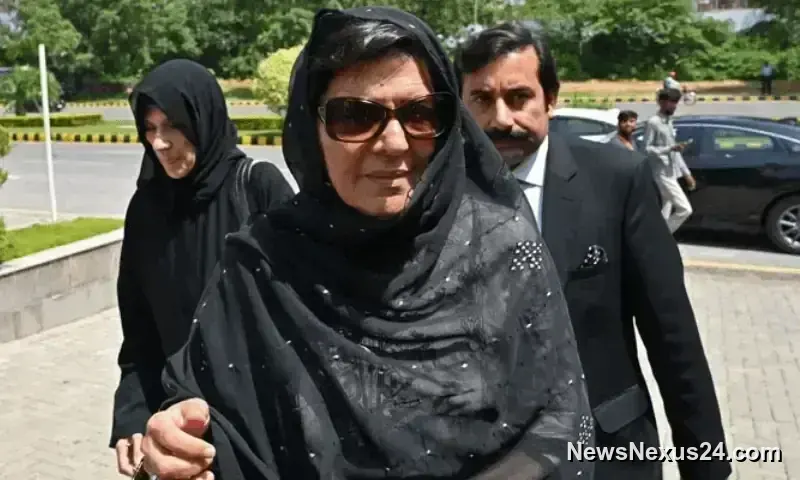
Federal Minister for Law, Justice and Human Rights Senator Azam Nazeer Tarar inaugurated the framework in Islamabad. He said ending child marriage remained a top priority and that the government intended to translate legislative commitments into effective action across the country.
The framework was developed by the Ministry of Human Rights with technical support from UNFPA and UNICEF. It is intended to provide a shared roadmap for federal, provincial and territorial authorities to strengthen prevention and protection measures.
Tarar said the minimum age of 18 should be implemented effectively across Pakistan and that violations of the child-marriage law would carry legal consequences. He described the legislation as mandatory in nature.
Addressing religious concerns, the minister said laws against child marriage were not contrary to Shariah. He referred to the Sindh law enacted in 2013, which he said had been challenged before the Federal Shariat Court and upheld.
Pakistan will also seek stronger international cooperation on the issue during its chairmanship of the Organisation of Islamic Cooperation. Tarar said the country would pursue joint working groups, particularly with African countries, to exchange experience and develop effective strategies.
The minister acknowledged work already undertaken in Punjab and Balochistan, while calling for further progress and coordination in all provinces. The framework’s stated goal is to align prevention, enforcement and support measures across jurisdictions.
Secretary for Human Rights Abdul Khalique Shaikh, UNFPA Representative Dr Luay Shabaneh, UNICEF Representative Pernille Ironside and British High Commissioner Jane Marriott attended the ceremony. Participants stressed the need to turn the framework into practical action through coordinated implementation.
The Ministry of Human Rights also recognised individuals described as Champions of Change for work aimed at protecting children from child marriage. Group Development Pakistan was acknowledged for supporting the framework’s development and validation.
Corrections & clarifications
Spot an inaccuracy or need more detail? Email connect@newsnexus24.com. Publication time is shown above.