Pakistan lifts wheat import ceiling to address flour price pressure
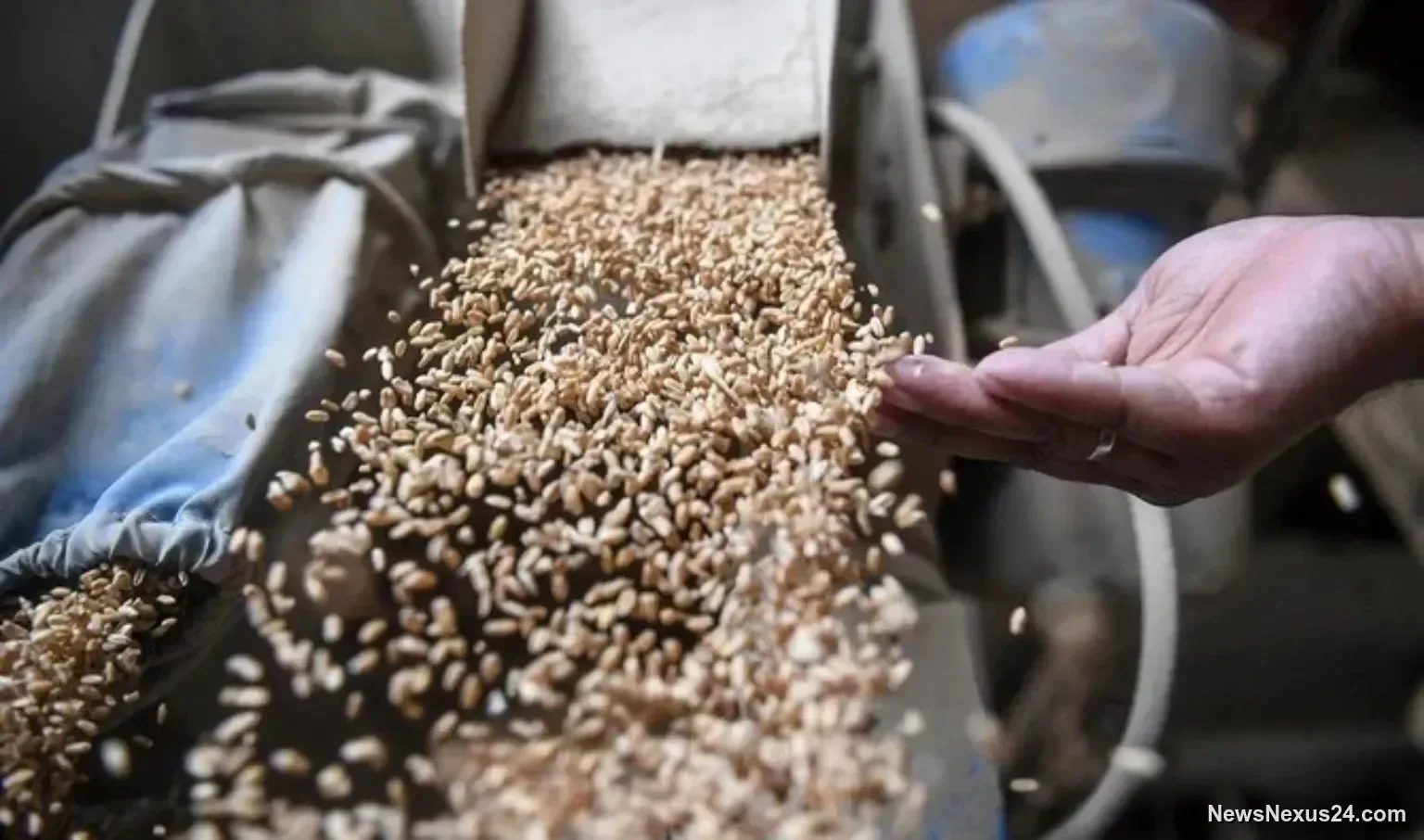
“Pakistan has raised its wheat import ceiling to 2.5 million tonnes as authorities respond to higher wheat and flour prices and revised provincial requirements.”
Key points
- Pakistan has raised its wheat import ceiling to 2.5 million tonnes as authorities respond to higher wheat and flour prices and revised provincial requirements.
- Provinces will bear import costs, while priority port berthing has been approved to speed up deliveries.
Pakistan’s Economic Coordination Committee has approved in principle an increase in the country’s wheat import ceiling from one million to 2.5 million metric tonnes for the 2026-27 food year. The decision is intended to support supplies and reduce pressure from rising wheat and flour prices before the next harvest.
The committee considered the proposal during a virtual meeting chaired by Finance Minister Muhammad Aurangzeb. The federal government said the revised ceiling would give authorities greater room to respond to confirmed provincial needs and potential shortages without seeking repeated approvals.
Provincial governments had initially estimated their combined import requirement at 750,000 tonnes before reducing it to 550,000 tonnes. With wheat and flour prices increasing and public stocks requiring larger releases, the provinces later reassessed their collective demand at about 1.7 million tonnes.
Punjab has sought 950,000 tonnes under the revised assessment, while Sindh’s requirement stands at 450,000 tonnes subject to confirmation. Khyber Pakhtunkhwa has requested 300,000 tonnes, while Balochistan’s needs are expected to be met through available stocks held by the Pakistan Agricultural Storage and Services Corporation.
The decision has not set a fixed import quantity that must immediately be purchased. Actual imports will depend on confirmed provincial requirements and market conditions, while the higher ceiling is designed to provide flexibility if supply conditions worsen before the harvesting season.
Provincial governments will bear the cost of imported wheat under existing financial arrangements. This includes procurement, freight, insurance, transport, port charges, taxes, duties and other related expenses, with provinces required to confirm their demand in writing and make advance payments or suitable banking arrangements.
The committee also approved priority berthing arrangements for wheat-carrying vessels at Pakistani ports. The measure is aimed at reducing delivery delays and limiting additional costs once import shipments begin arriving.
The Ministry of National Food Security and Research will oversee day-to-day implementation, while a steering committee led by Deputy Prime Minister Ishaq Dar will retain overall supervision. The decision still requires ratification by the federal cabinet.
Corrections & clarifications
Spot an inaccuracy or need more detail? Email connect@newsnexus24.com. Publication time is shown above.