Lahore records very unhealthy air as Punjab cites cross-border pollution
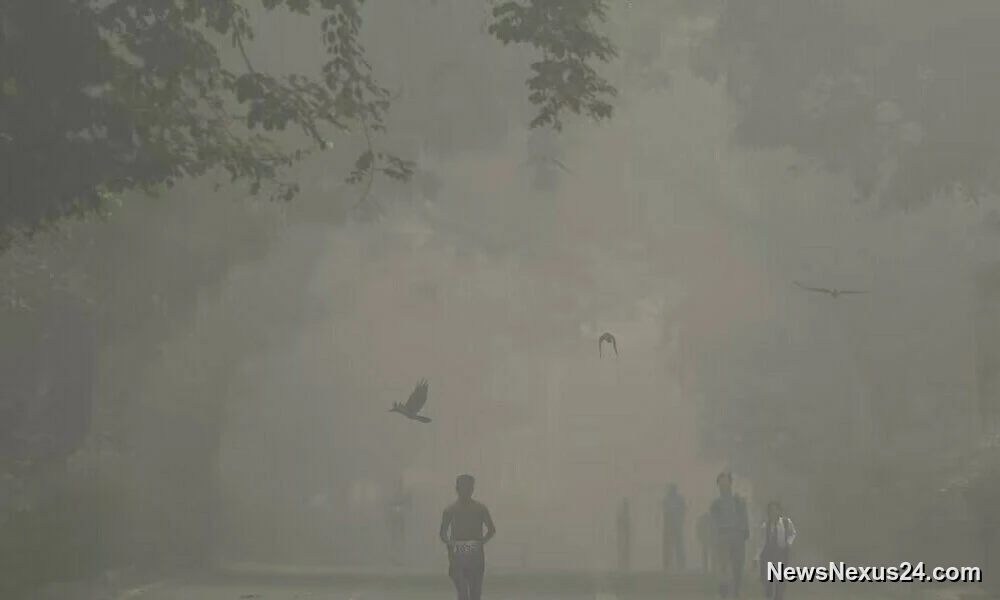
“Lahore recorded an AQI of 263 and was ranked the world’s most polluted major city for a second day.”
Key points
- Lahore recorded an AQI of 263 and was ranked the world’s most polluted major city for a second day.
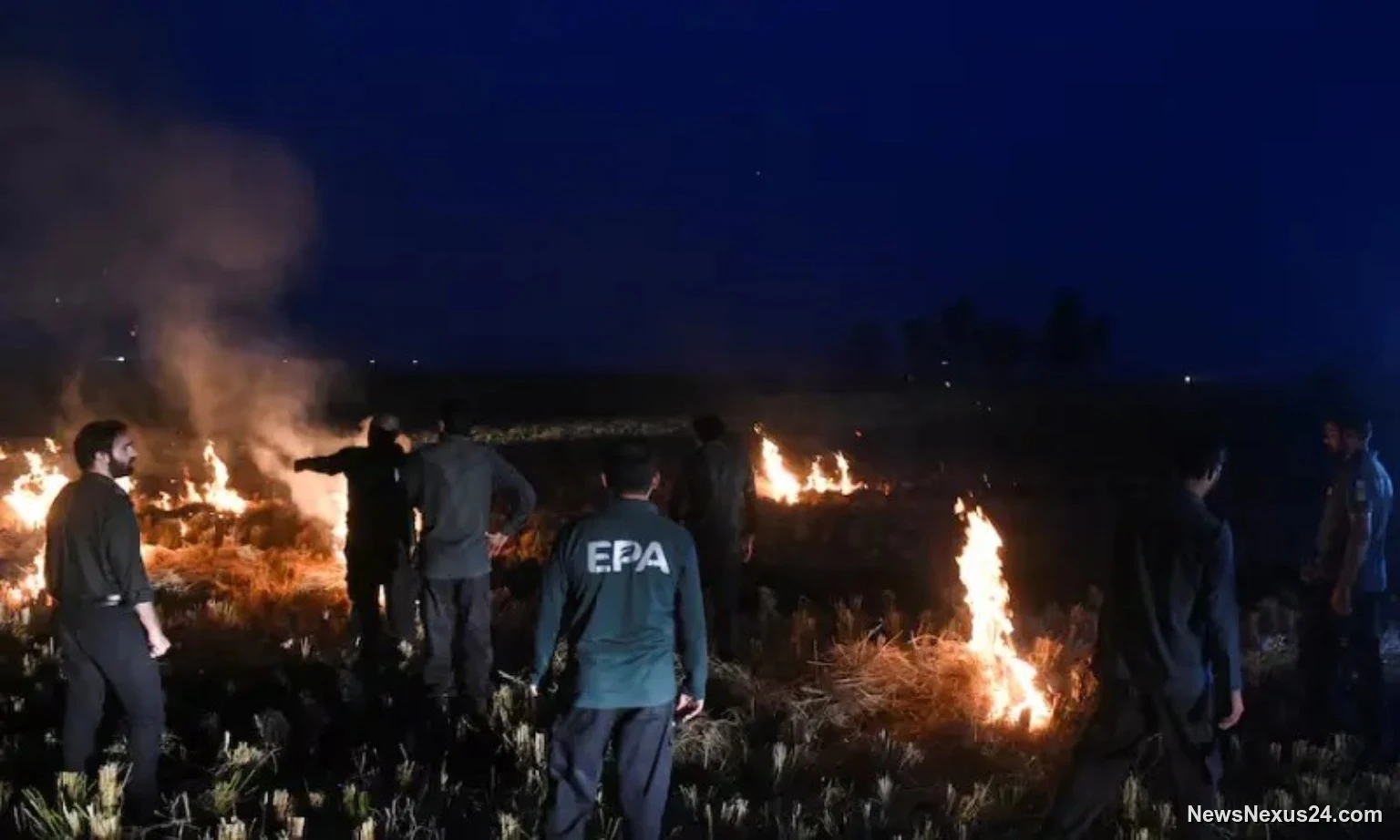
- Punjab authorities said light winds carried pollution from India after Diwali, while local emissions, dust and crop burning also contribute to seasonal smog.
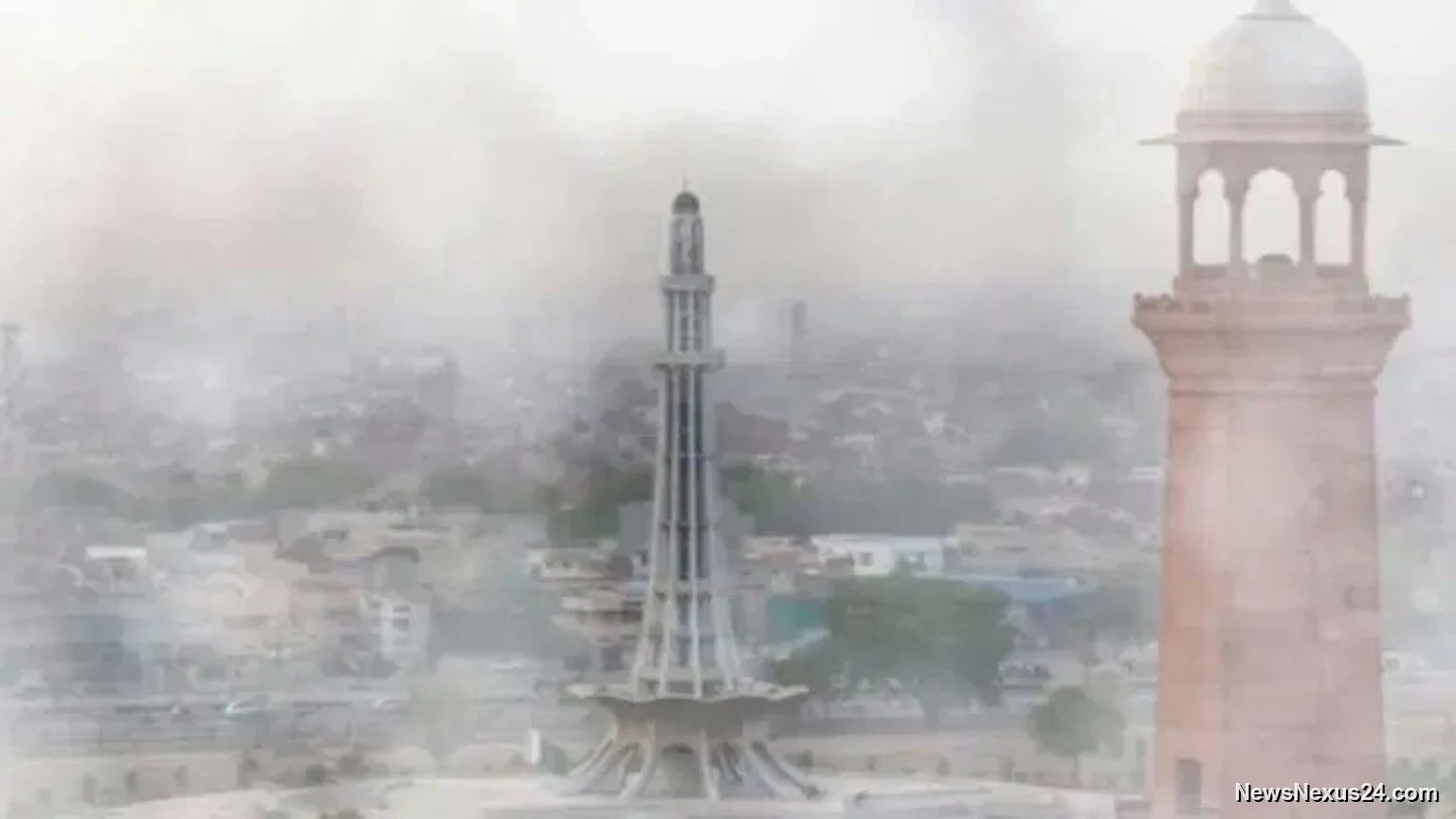
Lahore remained the world’s most polluted major city for a second day, with air-quality readings classified as very unhealthy, as Punjab authorities attributed part of the worsening smog to pollution drifting from India after Diwali fireworks.
The city recorded an air quality index of 263, according to IQAir. Its PM2.5 concentration was measured at 37.2 times above the World Health Organization’s annual guideline. PM2.5 refers to fine airborne particles that can travel deep into the lungs.
Punjab’s Environment Protection Minister Marriyum Aurangzeb said light winds had carried pollutants from across the border after Diwali celebrations. She said conditions were expected to improve gradually from early afternoon as weather conditions changed and wind direction shifted.
The assessment of cross-border pollution remains part of a wider regional smog problem affecting both Pakistan and India. Delhi was ranked the world’s second-most polluted major city on the same day, with an AQI reading of 188.
Indian government data attributed nearly 55% of Delhi’s PM2.5 pollution on the previous day to firecrackers. India’s foreign ministry did not immediately respond to the claim by Punjab authorities regarding pollution reaching Lahore.
Vehicle emissions, construction dust and smoke from crop-waste burning are also recognised contributors to winter smog on both sides of the border. The mixture of local emissions, agricultural burning, fireworks and weather patterns can worsen air quality across the region.
Pakistan similarly linked a smog episode in 2024 to crop burning in Indian Punjab. At that time, Indian weather officials said wind patterns indicated air was moving in the other direction, showing that cross-border pollution assessments can be contested.
In India, the federal ruling party has also cited crop-waste burning in Punjab as a contributor to Delhi’s poor air quality. Reports said farm-fire incidents increased sharply around Diwali, although the Punjab state government said such incidents had declined compared with previous years.
The latest readings underline the persistent seasonal challenge for Lahore and other cities in the region. Improving air quality will depend on weather conditions as well as action on local and cross-border sources of fine-particle pollution.
Corrections & clarifications
Spot an inaccuracy or need more detail? Email connect@newsnexus24.com. Publication time is shown above.