Punjab develops AI-powered climate observatory in Lahore
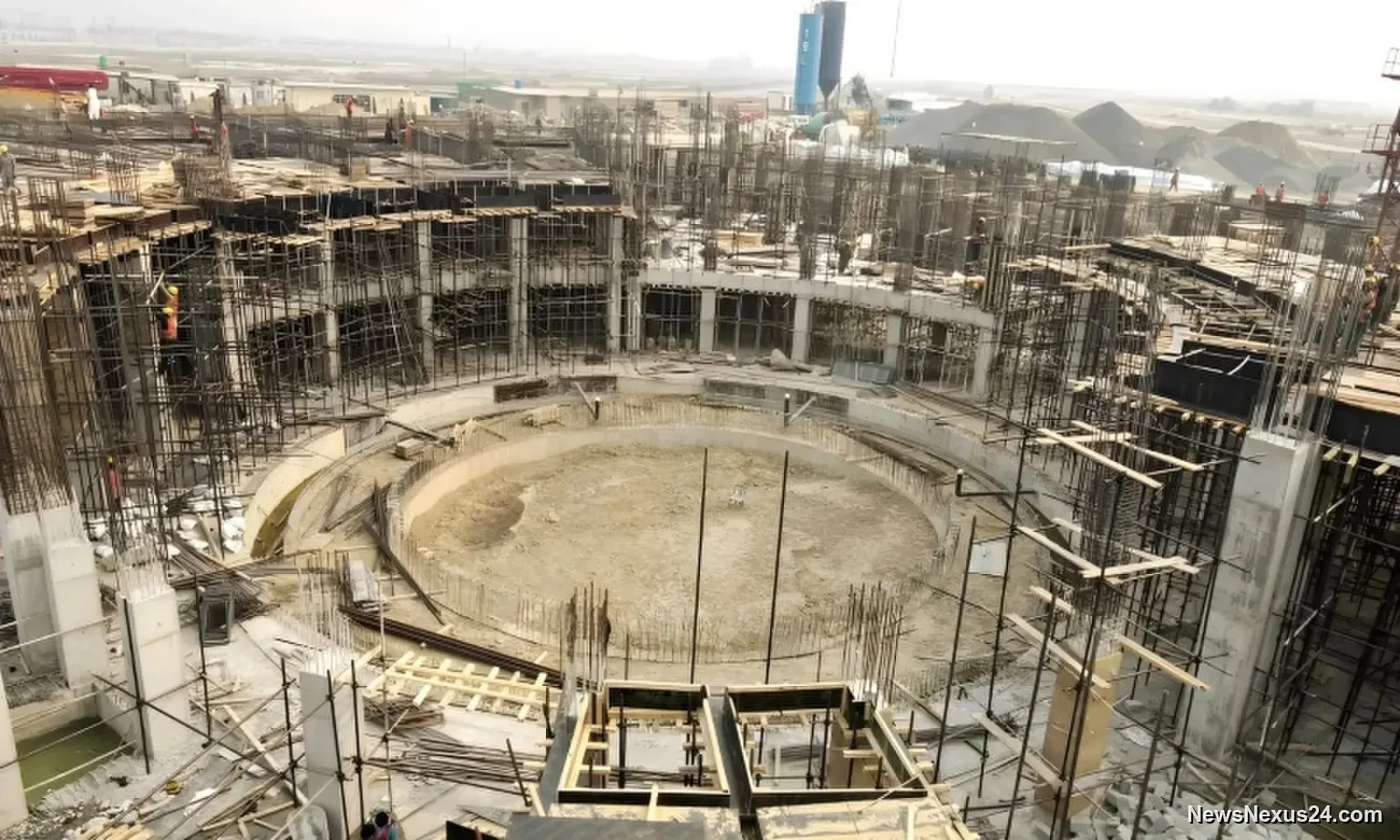
“Punjab is developing an AI-powered climate observatory in Lahore to provide real-time monitoring of air quality, water, soil and weather conditions.”
Key points
- Punjab is developing an AI-powered climate observatory in Lahore to provide real-time monitoring of air quality, water, soil and weather conditions.
- The provincial government says the facility will support forecasting, early warning, flood prediction, environmental research and climate-resilience planning.
Punjab is developing what it describes as Pakistan’s first artificial intelligence-powered climate observatory, a project intended to improve environmental monitoring, weather forecasting and disaster preparedness across the province.
Chief Minister Maryam Nawaz said the under-construction facility in Lahore would use a climate intelligence system supported by artificial intelligence. According to her statement, it would monitor air quality, water, soil and weather conditions in real time.
The project was approved in May 2025 after a review of its feasibility plan, including budget requirements, equipment procurement and land acquisition. The University of Engineering and Technology Lahore also submitted a technical report on the proposed facility.
In June, the chief minister directed authorities to speed up work on the observatory. The government has presented the project as part of its broader effort to strengthen Punjab’s response to climate-related risks.
The observatory is expected to support weather forecasting, early-warning arrangements and flood prediction. These functions could help authorities prepare for climate-related emergencies and improve the use of environmental information in planning and public decision-making.
The proposed facility would also include environmental data resources and research laboratories. The provincial government says these resources would create learning and research opportunities for young climate scientists.
Maryam Nawaz said the project could bring together international scientific cooperation and research partnerships while supporting evidence-based policy. She linked the observatory’s planned work to disaster resilience, water conservation, sustainable resource management, climate-resilient agriculture and forest protection.
The project is still under construction, and no completion date or operational timeline was announced in the statement. Its effectiveness will depend on the quality of its data systems, technical capacity, public access to relevant findings and how the information is used by provincial departments.
Corrections & clarifications
Spot an inaccuracy or need more detail? Email connect@newsnexus24.com. Publication time is shown above.