Punjab flour prices rise as open-market wheat rates climb
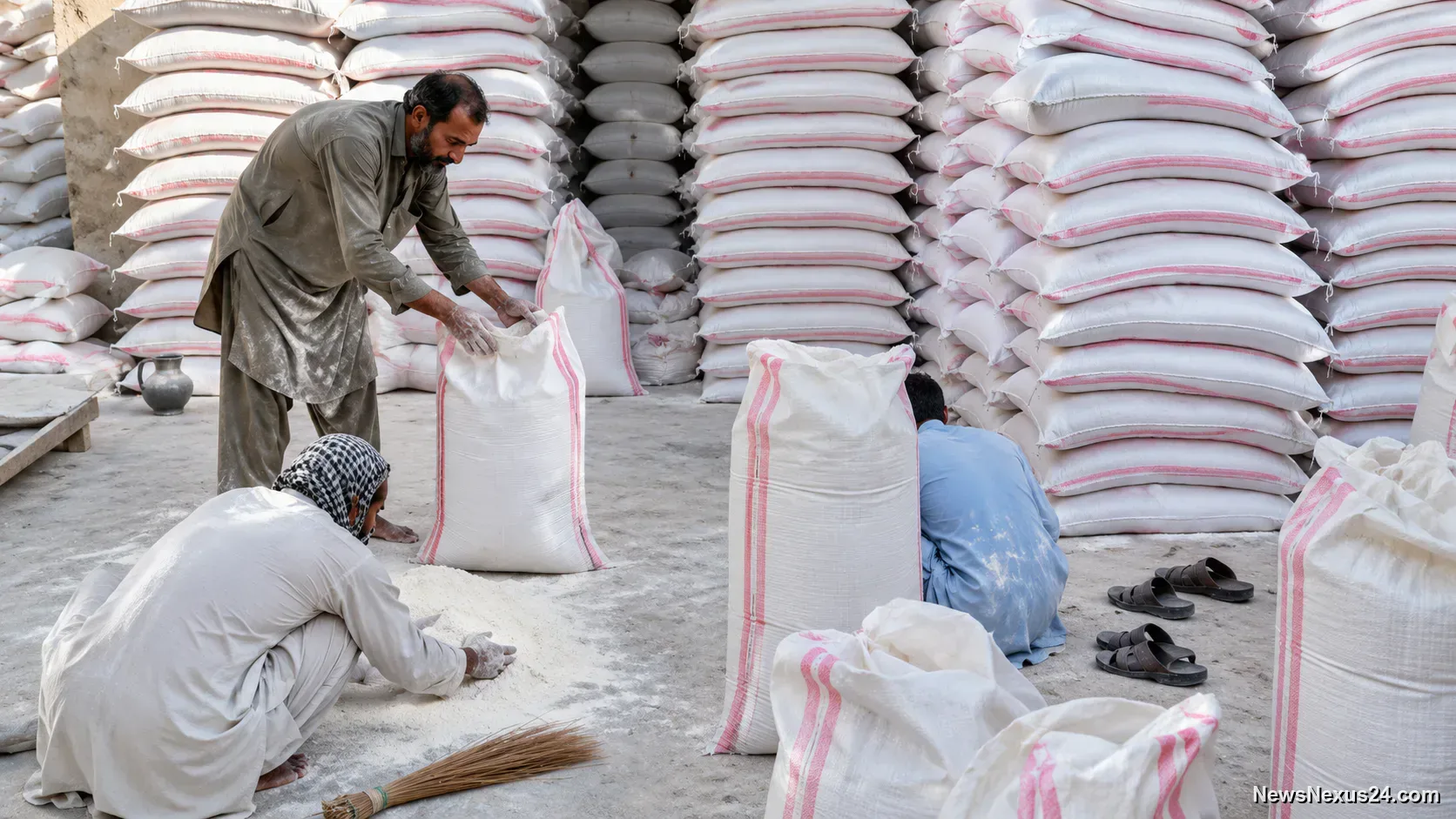
“Flour prices have risen in Punjab as wheat rates increased in the open market, with 15kg flour bags reported at Rs2,500 in Lahore and Rs2,650 in Rawalpindi and Islamabad.”
Key points
- Flour prices have risen in Punjab as wheat rates increased in the open market, with 15kg flour bags reported at Rs2,500 in Lahore and Rs2,650 in Rawalpindi and Islamabad.
- Flour mills have sought emergency wheat imports, while official weekly data also shows significant city-to-city variation in flour prices.
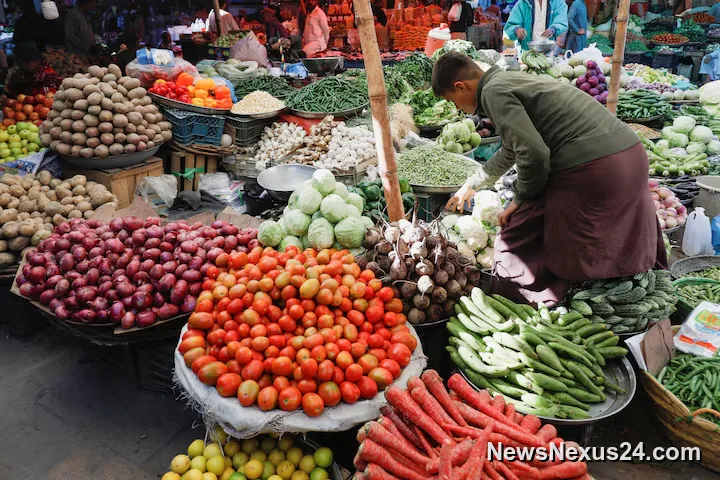
Flour prices have risen in Punjab as open-market wheat rates moved higher, adding pressure on household food budgets in Lahore, Rawalpindi and Islamabad.
The reported open-market wheat rate reached Rs5,900, while Lahore was quoted at Rs5,750 and Rawalpindi and Islamabad at up to Rs5,920. The report did not specify the unit for these wheat quotations, so the figures should not be treated as directly comparable with official retail flour series.
It said the wholesale price of a 15kg flour bag had reached Rs2,500 in Lahore and Rs2,650 in Rawalpindi and Islamabad. Flour mills have asked the federal and provincial governments to permit emergency imports of 500,000 tonnes of wheat, warning that prices could rise further without intervention.
The Pakistan Bureau of Statistics’ latest available weekly price appendix, dated November 12, records prices for 20kg wheat-flour bags rather than the 15kg bags cited in the report. Its average prices were Rs3,433.18 in Islamabad, Rs3,028.47 in Rawalpindi and Rs2,477.84 in Lahore, with separate minimum and maximum prices recorded for each city.
The two measures cannot be compared directly because they cover different bag weights and may reflect different market levels. But both point to substantial variation between cities, with Islamabad and Rawalpindi recording higher official average prices than Lahore in the latest weekly data.
The report linked the market pressure to lower wheat production and a 2.5-million-tonne shortfall, while saying imports had not stabilised the open market. Earlier government and industry assessments have produced differing wheat-supply estimates, so the scale of any current shortfall and the effect of additional imports will depend on updated crop, stock and procurement data.
Corrections & clarifications
Spot an inaccuracy or need more detail? Email connect@newsnexus24.com. Publication time is shown above.