
Pakistan Doctors Warn as Mpox Reaches Newborn Babies
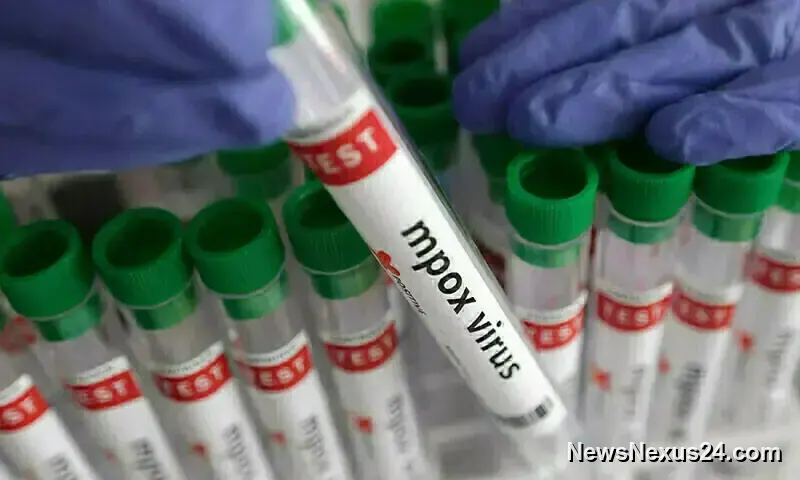
“Doctors in Pakistan say mpox has now been detected in newborn babies, raising fears of local transmission and poor infection control in hospitals.”
Key points
- Doctors in Pakistan say mpox has now been detected in newborn babies, raising fears of local transmission and poor infection control in hospitals.
- Specialists are urging immediate isolation, better hygiene standards and faster reporting to stop the disease from spreading further.
Doctors in Pakistan have raised a fresh public health alarm after reporting mpox cases among newborn babies, a development they say marks a troubling new phase in the disease’s spread. Specialists speaking in Karachi linked the emergence of infant infections to weak infection-control practices and warned that the outbreak pattern now appears broader than the travel-related cases that dominated earlier reports.
Medical experts at Aga Khan University Hospital said infants from Khairpur in Sindh had presented with symptoms including fever, weakness and fluid-filled rashes, with some deaths also reported. They described the appearance of the disease in newborns as especially concerning because earlier cases had been seen mainly in adults. The shift suggests the virus may now be exploiting healthcare vulnerabilities in settings where the youngest patients are least protected.
Physicians pointed to possible cross-infection in hospitals as a central concern. Inadequate hygiene, insufficient isolation procedures and poor ward practices can create the conditions for rapid transmission, especially when facilities are overcrowded or disinfection standards are weak. Experts warned that if these lapses continue, hospitals risk becoming amplifiers rather than barriers against infection.
The medical description of the disease remains serious but manageable if detected early. Doctors said patients typically first develop fever, lethargy and weakness before painful lesions emerge. Because mpox can resemble chickenpox, clinicians urged careful diagnosis and immediate isolation of suspected cases. They also stressed the importance of quickly notifying health authorities so containment steps can begin before household or community spread widens.
One of the most significant warnings from the discussion was that mpox may no longer be confined mainly to imported infections. Health specialists said Pakistan recorded dozens of confirmed cases in 2025, most associated with international travel, but this year’s pattern suggests local transmission is beginning to take hold. In Karachi, they said, one of the two confirmed cases this year had already been traced to local spread from Khairpur.
That evolution changes the public health challenge. Imported cases can often be tracked through travel screening and contact tracing, but local transmission requires stronger surveillance, faster reporting, better hospital protocols and clear public awareness. Once a disease enters routine community pathways, the burden on provincial health systems grows much heavier.
The issue also exposes a familiar structural weakness in Pakistan’s healthcare system. Infection prevention often receives less attention than emergency treatment, despite the fact that poor ward management can turn preventable exposures into deadly outbreaks. Practices such as placing multiple patients on one bed or admitting new patients without thorough disinfection were cited as especially dangerous.
For Pakistan, the consequences go beyond individual cases. Newborn infections carry emotional and social shock, and they can quickly undermine confidence in already stretched public and private health services. If the response is slow or fragmented, health officials could face a wider trust problem alongside the medical emergency itself.
The immediate outlook will depend on how aggressively hospitals and provincial authorities respond. Isolation, hygiene enforcement, staff training and case reporting will be crucial in the coming days. If those measures are tightened quickly, the outbreak may still be contained. If not, the appearance of mpox in newborns could become the clearest sign yet that Pakistan is entering a more difficult stage of transmission.
Corrections & clarifications
Spot an inaccuracy or need more detail? Email connect@newsnexus24.com. Significant updates are timestamped above.


