
Pakistan Faces Wider Financing Gap as UAE Deposit Repayment Looms
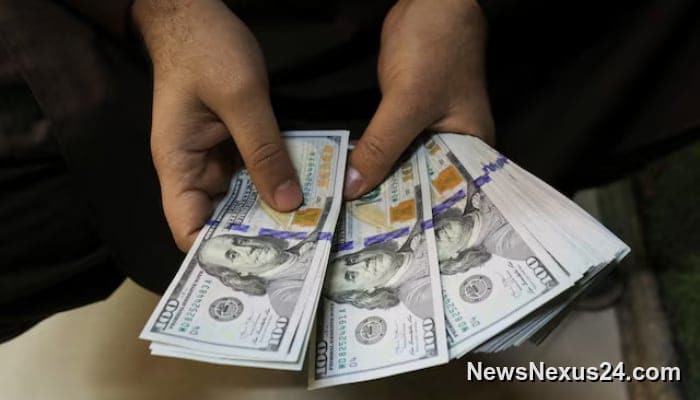
“Pakistan is expected to face a wider external financing gap after deciding to repay $2 billion in UAE deposits this month along with interest.”
Key points
- Pakistan is expected to face a wider external financing gap after deciding to repay $2 billion in UAE deposits this month along with interest.
- The move comes as the government works within IMF-linked reserve targets and searches for ways to manage growing external pressure.
Pakistan is preparing to return $2 billion in deposits to the United Arab Emirates this month, a move that is expected to put fresh pressure on the country’s external financing position at a delicate moment for the economy. The development comes as Islamabad is working to stay aligned with targets linked to its International Monetary Fund programme and to preserve foreign exchange stability through the end of the fiscal year.
According to the report, the repayment will also include a 6 percent interest cost, increasing the burden on an already tight external account. Officials are now weighing whether the state can absorb the wider financing requirement through its own arrangements or whether it may need further flexibility in reserve targets tied to the IMF framework. That decision will be closely watched by markets, lenders and import-dependent industries.
The issue has surfaced just days after Pakistan moved toward a staff-level understanding with the IMF under its ongoing support programme. Under that process, the end-June 2026 foreign exchange reserve goal held by the State Bank of Pakistan had already been revised downward from $17.8 billion to $17.5 billion. Even with that adjustment, official estimates had placed the external financing gap at around $460 million, meaning the planned UAE repayment could widen the shortfall sharply.
Officials cited in the report said earlier assumptions were based on $3.7 billion in deposits from the UAE and Kuwait being rolled over during the current fiscal year. That expectation now appears to have weakened, with Pakistan set to repay $2 billion around mid-April. Another $1 billion may also fall due in June or July, which would further complicate reserve management unless offset by fresh inflows, rollovers, bilateral support or stronger export and remittance performance.
A senior official said the government is engaged in high-level diplomatic efforts and suggested that the repayment is also being viewed through the lens of credibility and state conduct. Returning the due amount on time, the official indicated, is considered important for preserving Pakistan’s standing with partner countries. That message reflects a broader balancing act: protecting diplomatic trust while avoiding renewed stress on reserves, the exchange rate and investor confidence.
The story highlights a recurring structural problem in Pakistan’s economy. The country has often relied on a combination of IMF support, bilateral deposits, short-term financing and rollover arrangements to bridge external funding needs. While those tools can buy time, they also leave the economy exposed whenever deposits mature, global conditions worsen or partner countries change their lending posture. In such periods, reserve targets become harder to meet and policy room narrows quickly.
The wider context is Pakistan’s 37-month IMF Extended Fund Facility, originally approved in 2024 at about $7 billion, which was designed to restore macroeconomic stability, strengthen public finances and improve confidence in the balance of payments outlook. Successive reviews under the programme have remained important because they help unlock not only IMF disbursements but also support from other lenders and development partners that often treat Fund engagement as a signal of policy discipline.
For Pakistan, the immediate impact of this repayment challenge could extend beyond official accounting. A larger-than-expected financing gap may influence currency expectations, borrowing costs and the government’s room to manage imports, subsidies and development spending. Businesses tracking exchange rate stability, particularly those dependent on imported raw materials or fuel, will be sensitive to any sign that reserve buffers are weakening faster than planned.
The next steps will depend on whether Islamabad can secure alternate inflows, negotiate rollovers on other liabilities, or convince the IMF that revised reserve assumptions remain credible under changing circumstances. The repayment itself may help preserve confidence with a key bilateral partner, but it also raises the urgency of finding durable external financing solutions. In the weeks ahead, policymakers will face pressure to show that Pakistan can meet its obligations without allowing a temporary cash flow strain to turn into a broader economic setback.
Corrections & clarifications
Spot an inaccuracy or need more detail? Email connect@newsnexus24.com. Significant updates are timestamped above.


