
Inside Trump's Back-Channel Push That Sealed the Gaza Deal
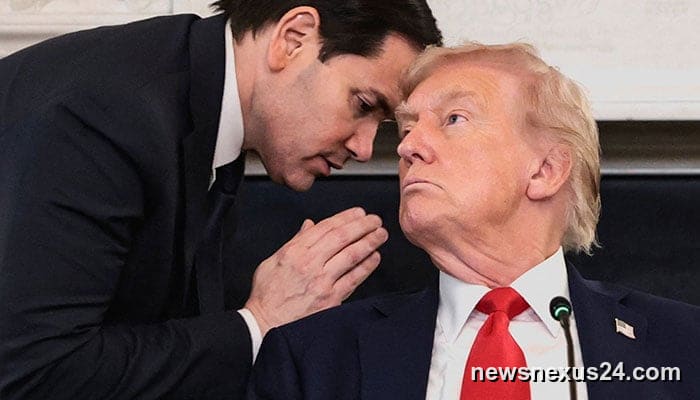
“Trump’s public flourish masked weeks of quiet pressure on both Israel and Arab partners.”
Key points
- Trump’s public flourish masked weeks of quiet pressure on both Israel and Arab partners.
- He presented a plan shaped at the UN, then privately pushed Netanyahu to bend.
- A Qatar-related flashpoint helped Washington rally Arab unity and secure an apology.
- A deadline for Hamas and focus on hostages created political urgency.
A dramatic aside during a televised White House meeting set the stage for Donald Trump to declare that a long-sought Gaza agreement was finally in reach. While the moment was public, much of the effort that led there unfolded out of view, with aides pressing Israeli and Arab leaders to accept a plan designed to halt fighting and free hostages.
According to diplomats, Trump presented Israeli Prime Minister Benjamin Netanyahu with a plan shaped through consultations with Arab and Muslim countries during last month’s meetings in New York. In private, officials said the US line was tougher than Trump’s public posture, which projected full backing for Israel if Hamas balked.
Tensions spiked after an Israeli strike in Qatar, a US ally deeply involved in mediation. People familiar with the talks say Trump used the resulting anger among Arab partners to extract concessions and pushed Netanyahu to phone Qatar’s leader to apologise—an exchange that the White House highlighted with a photo. Washington followed by offering security guarantees to Doha.
The push reflected ties Trump cultivated across the region, building on the Abraham Accords from his first term and an early second-term itinerary that prioritised stops in Qatar, Egypt and the UAE. The message, negotiators said, was that Arab alignment would be rewarded—but also expected.
Trump then set a deadline for Hamas, linking progress to the fate of hostages whose families he has repeatedly courted. When Hamas signalled openness to parts of the American plan, the president seized on the opening to claim momentum, even as fundamental points remained unresolved.
From there, the US leaned on mediators in Doha, Cairo and Ankara to translate headlines into text—pressing all sides to settle sticking points quickly. The White House cast the moment as a first step, saying more difficult issues would follow but insisting the architecture for a broader ceasefire was now in place.
In interviews, Trump framed the gambit as a chance for Netanyahu to secure a victory and argued that with Washington as guarantor, both Israel and Hamas would face consequences if they backed away. For now, the negotiations move to implementation, with diplomats warning that agreeing in principle is easier than enforcing terms on the ground.
Corrections & clarifications
Spot an inaccuracy or need more detail? Email connect@newsnexus24.com. Significant updates are timestamped above.


