
Ceasefire deal sparks celebrations in Gaza and Israel
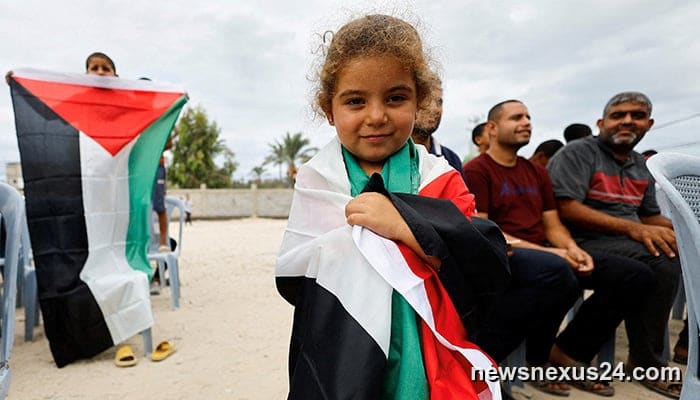
“Israel and Hamas endorsed a first-phase ceasefire and exchange plan.”
Key points
- Israel and Hamas endorsed a first-phase ceasefire and exchange plan.
- Israeli pullbacks could begin within 24 hours of signing; hostage releases may start within days.
- Strikes continued even as celebrations erupted in Gaza and Tel Aviv.
- The US hailed the deal; political rifts persist inside Israel over next steps.
Celebrations broke out in Gaza and in Israeli cities after leaders endorsed the first phase of a ceasefire and hostage-prisoner exchange outlined in a US plan. The signing was expected in Sharm el-Sheikh, with Israel’s cabinet due to meet for ratification before the truce formally takes effect.
Officials said the initial stage will halt fighting, prompt a partial Israeli withdrawal inside Gaza and release hostages in exchange for Palestinian prisoners. A source briefed on the talks said troop pullbacks would begin within 24 hours of the deal’s signature.
Israel estimated that 20 hostages believed to be alive would be freed as early as Sunday or Monday, while authorities have declared 26 captives dead in absentia and said two others’ fate is still unknown. Hamas indicated it may need time to recover remains dispersed during months of combat.
Despite the announcement, residents reported strikes around Gaza City, underscoring how fragile conditions remain. Gaza’s health ministry said at least nine Palestinians had been killed by Israeli fire in the prior day.
In southern Gaza, people cheered in the streets. In Tel Aviv, relatives of captives embraced and lit flares in a square that became a focal point for calls to bring hostages home. Many described a surge of hope after a long period of fear and uncertainty.
Washington cast the development as a major diplomatic gain and thanked Egypt, Qatar and Turkey for mediating. The plan is part of a 20-point framework that envisions further steps, including the creation of an international mechanism to help administer Gaza in later phases.
Israeli Prime Minister Benjamin Netanyahu called the deal a diplomatic and moral victory but faced dissent from far-right allies who oppose any agreement with Hamas. Questions lingered over who would govern Gaza after the war and whether the process could lead to Palestinian statehood—an outcome backed by Arab states but rejected by Netanyahu.
The two-year conflict devastated the enclave and reshaped regional security, with Israel confronting Hezbollah in Lebanon and trading blows with Iran. International criticism of the war’s humanitarian toll has intensified, amplifying pressure for a halt to hostilities and the return of captives.
Corrections & clarifications
Spot an inaccuracy or need more detail? Email connect@newsnexus24.com. Significant updates are timestamped above.


