
Ceasefire brings tears of relief in Gaza — and a vow to remember
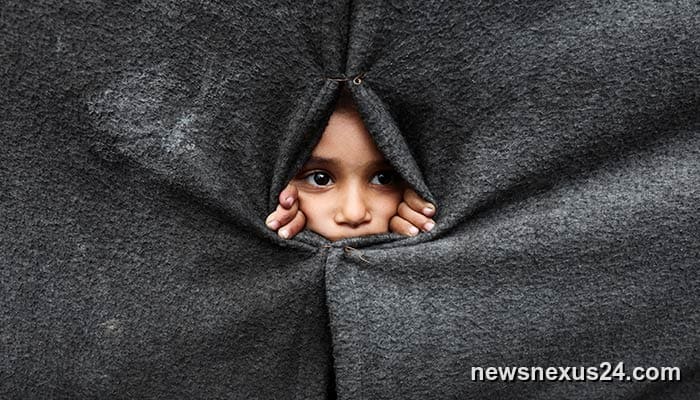
“Gaza residents and online voices greeted the ceasefire with relief and grief.”
Key points
- Gaza residents and online voices greeted the ceasefire with relief and grief.
- The US-backed plan pairs prisoner releases with expanded aid to the enclave.
- Journalists and writers urged vigilance, saying a truce is not a final peace.
- Skeptics questioned implementation after prior deals collapsed.
News of a ceasefire agreement between Israel and Hamas set off a wave of emotional reactions across Gaza and online, where expressions of relief mixed with grief over two years of devastation. Residents described a moment to breathe after relentless bombardment, displacement and hunger that hollowed out daily life.
Under a US-backed plan brokered in Sharm el-Sheikh, Israel is to release Palestinian prisoners and open the flow of aid into the enclave. For families who queued for food and water, the promise of increased assistance offered hope, even as many stressed that a ceasefire alone cannot erase trauma or rebuild shattered neighborhoods.
Journalists and creators who chronicled the war’s toll said the truce felt fragile. Award-winning reporter Plestia Alaqad captured the mood of cautious optimism, voicing a desire for a ceasefire that lasts rather than another short-lived pause.
Human-rights advocate and journalist Maha Hussaini reflected that few emerged unscarred, writing that survival has not meant healing. She and others urged the world to remember Gaza’s suffering and to support long-term recovery.
Commentators questioned whether Israel would honor the terms, noting past breakdowns. Academic and writer Yara Hawari argued that the deal is not a final peace and warned against conflating a ceasefire with an end to occupation, saying accountability and political resolve remain essential.
Poet Mosab Abu Toha lamented that relief was arriving in phases after immeasurable loss, characterizing the agreement as inadequate to the scale of harm endured. Media host Mehdi Hasan doubted official promises would translate into quick, tangible change without concrete steps.
Author Fatima Bhutto remembered journalists killed earlier in the conflict and said true peace must make their work and sacrifice meaningful. Many voices converged on the same point: the ceasefire is a precious opening, but remembrance, justice and sustained support will determine whether it becomes a lasting turning point.
Corrections & clarifications
Spot an inaccuracy or need more detail? Email connect@newsnexus24.com. Significant updates are timestamped above.


