Supreme Court orders return of privately owned Hafizabad shrine land
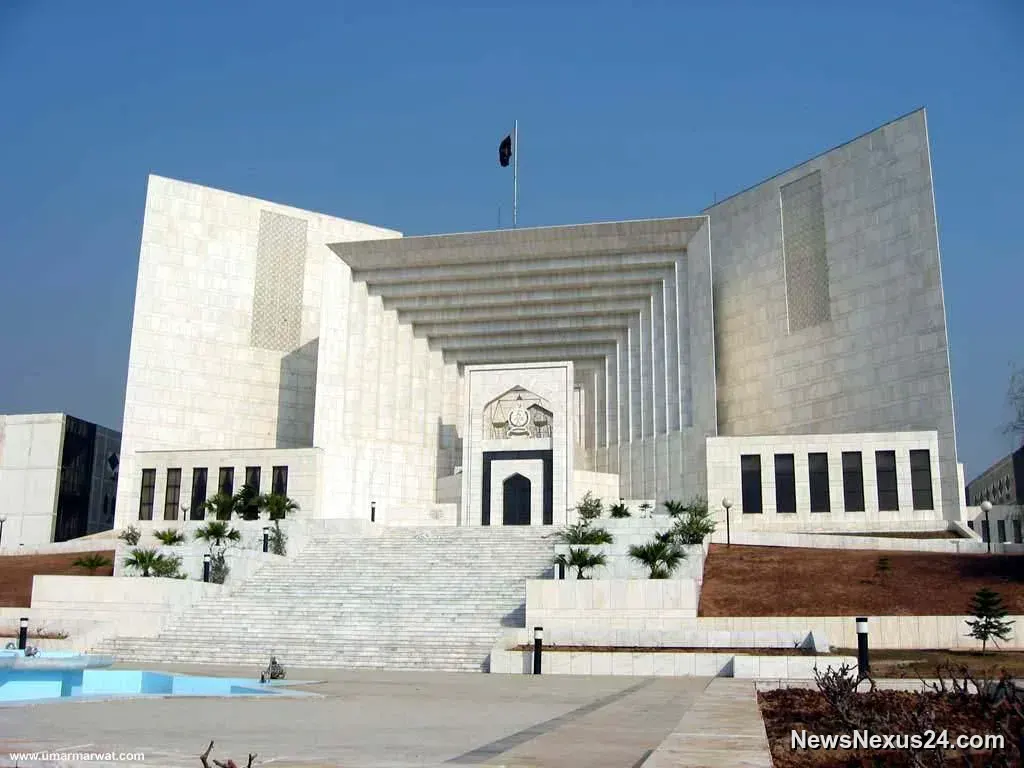
“The Supreme Court has ruled that a shrine or grave on private land does not automatically make the property waqf.”
Key points
- The Supreme Court has ruled that a shrine or grave on private land does not automatically make the property waqf.
- It ordered the Punjab Auqaf Department to return control of disputed Hafizabad land to its owner within 30 days and correct related land records.
The Supreme Court has declared the Punjab Auqaf Department’s takeover of privately owned shrine land in Hafizabad illegal and ordered that its management, control and possession be returned to the owner.
The disputed property measures five kanals and three marlas. The court ruled that building a shrine over a grave, receiving visitors and collecting offerings do not automatically turn privately owned land into waqf property.
A two-member bench comprising Justice Shahid Waheed and Justice Naeem Akhter Afghan dismissed an appeal by the Chief Administrator Auqaf Punjab against a Lahore High Court judgment from November 21, 2008. Justice Shahid Waheed authored the judgment.
The court directed the department to restore control of the land and its structures to Muhammad Hussain within 30 days of receiving the ruling. It also ordered revenue authorities to correct any land-record changes made under the takeover notification.
The judgment said permanent dedication for a religious, charitable or pious purpose is essential before land can be treated as waqf. While a formal deed is not the only way to establish such dedication, the intention to dedicate the property and relinquish ownership must be proved.
According to the ruling, Muhammad Hussain bought the land through a registered sale deed in 1988. A family member was buried there in 1993 with permission, after which a shrine was built over the grave.
The court found that the available evidence did not establish permanent dedication or religious use from time immemorial. It said that devotees visiting the shrine and making offerings did not transfer ownership of the property.
The ruling further held that the existence of waqf property is a prerequisite for the department to exercise takeover powers. The court said the Chief Administrator could not acquire authority simply by declaring private land to be waqf property.
Corrections & clarifications
Spot an inaccuracy or need more detail? Email connect@newsnexus24.com. Publication time is shown above.