Punjab sets wheat and flour prices with digital monitoring
“Punjab has fixed the wheat release price at Rs4,500 per 40kg for licensed mills and set the retail price of a 10kg flour bag at Rs1,275.”
Key points
- Punjab has fixed the wheat release price at Rs4,500 per 40kg for licensed mills and set the retail price of a 10kg flour bag at Rs1,275.
- The policy requires digital monitoring, daily reporting and verification of wheat releases throughout the supply chain.
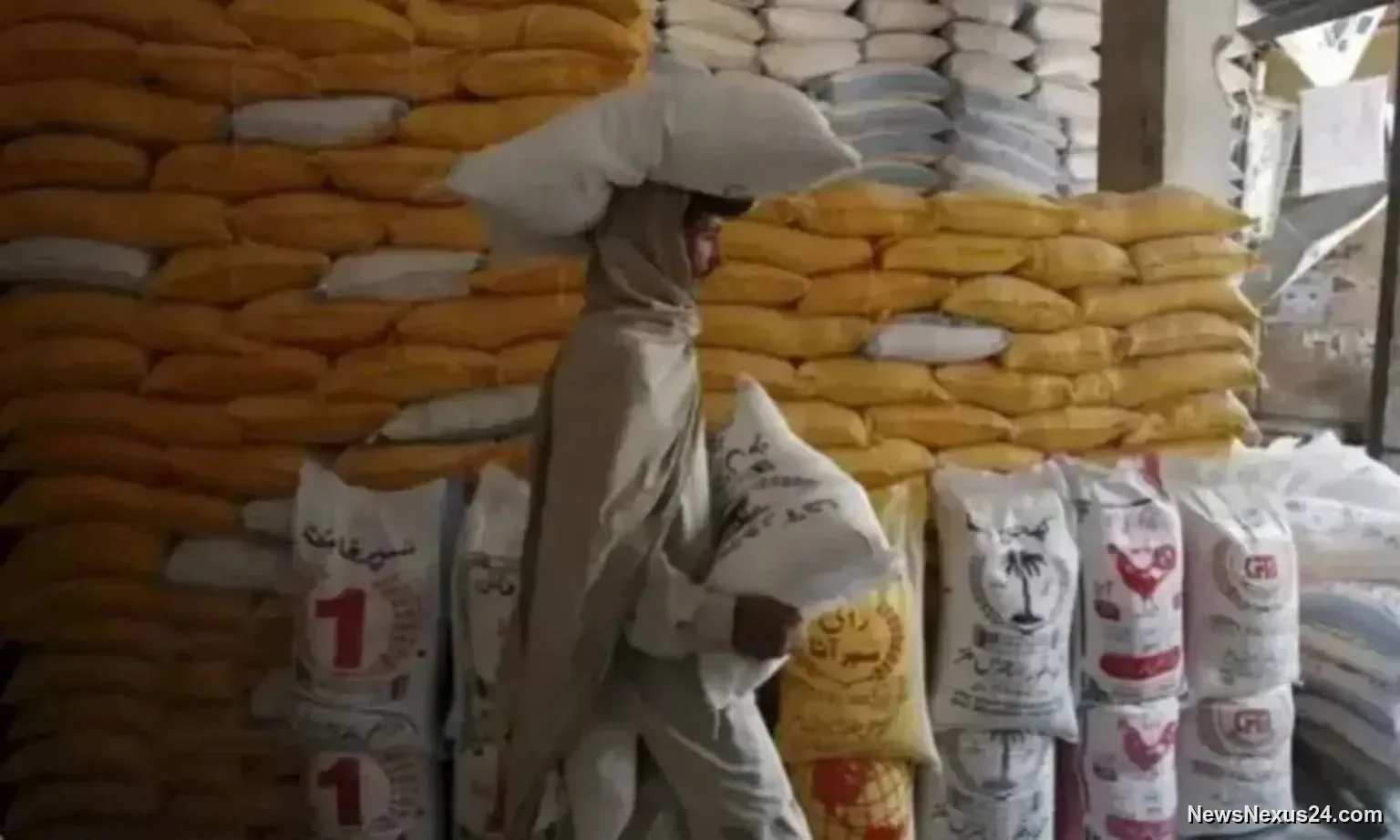
The Punjab government has fixed the release price of wheat for flour mills at Rs4,500 per 40 kilograms and set the retail price of a 10kg flour bag at Rs1,275. The new arrangement also makes digital monitoring and daily reporting mandatory to improve oversight of the wheat supply chain.
Under a notification issued by the Food Safety and Consumer Protection Department, government wheat will be released only to approved functional flour mills with valid foodgrain licences and to licensed or registered atta chakkies. The wheat will be supplied after advance or pre-deposited payment, with bank receipts to be verified by district food controllers.
District food controllers will also be required to submit daily verification of sales proceeds to the divisional Deputy Director Food. Flour mills and atta chakkies must sign agreements with their respective district food controllers before receiving government wheat under the new policy.
The Directorate General of Food and Cane Commissioner Punjab will govern releases through standard operating procedures. Wheat quotas will be allocated to districts on the basis of population or under a liberalised system, and district food controllers will distribute the allocated quantities among eligible and functional flour mills.
The wheat released under the policy may come from stocks procured from the Pakistan Agricultural Storage and Services Corporation, aggregators and imported sources. The notification allows mills to keep grinding their privately held wheat stocks while receiving government wheat, subject to reporting requirements.
Mills will have to upload daily information about public and private wheat purchases, storage, grinding and flour sales through the Food Department Inventory and Management System. They must also provide manual daily reports to the relevant district food controller.
The policy requires mills to maintain an extraction ratio of 70:18:12 for flour, fine and bran. It also permits mills to transport products made from privately held wheat stocks to other provinces through e-permits issued by district food controllers.
The announced prices create a formal benchmark for wheat supplied to licensed mills and for the retail sale of flour. The policy’s effect on consumers will depend on consistent supply to mills, compliance with the fixed retail price and effective monitoring of distribution at district level.
Corrections & clarifications
Spot an inaccuracy or need more detail? Email connect@newsnexus24.com. Publication time is shown above.