Pakistan and Turkiye begin offshore energy exploration
“Pakistan and Turkiye have launched offshore seismic surveys in the Indus and Makran basins, aiming to assess oil and gas potential before possible drilling in late 2027.”
Key points
- Pakistan and Turkiye have launched offshore seismic surveys in the Indus and Makran basins, aiming to assess oil and gas potential before possible drilling in late 2027.
- The cooperation also includes new mineral-sector agreements covering antimony, copper and gold exploration.
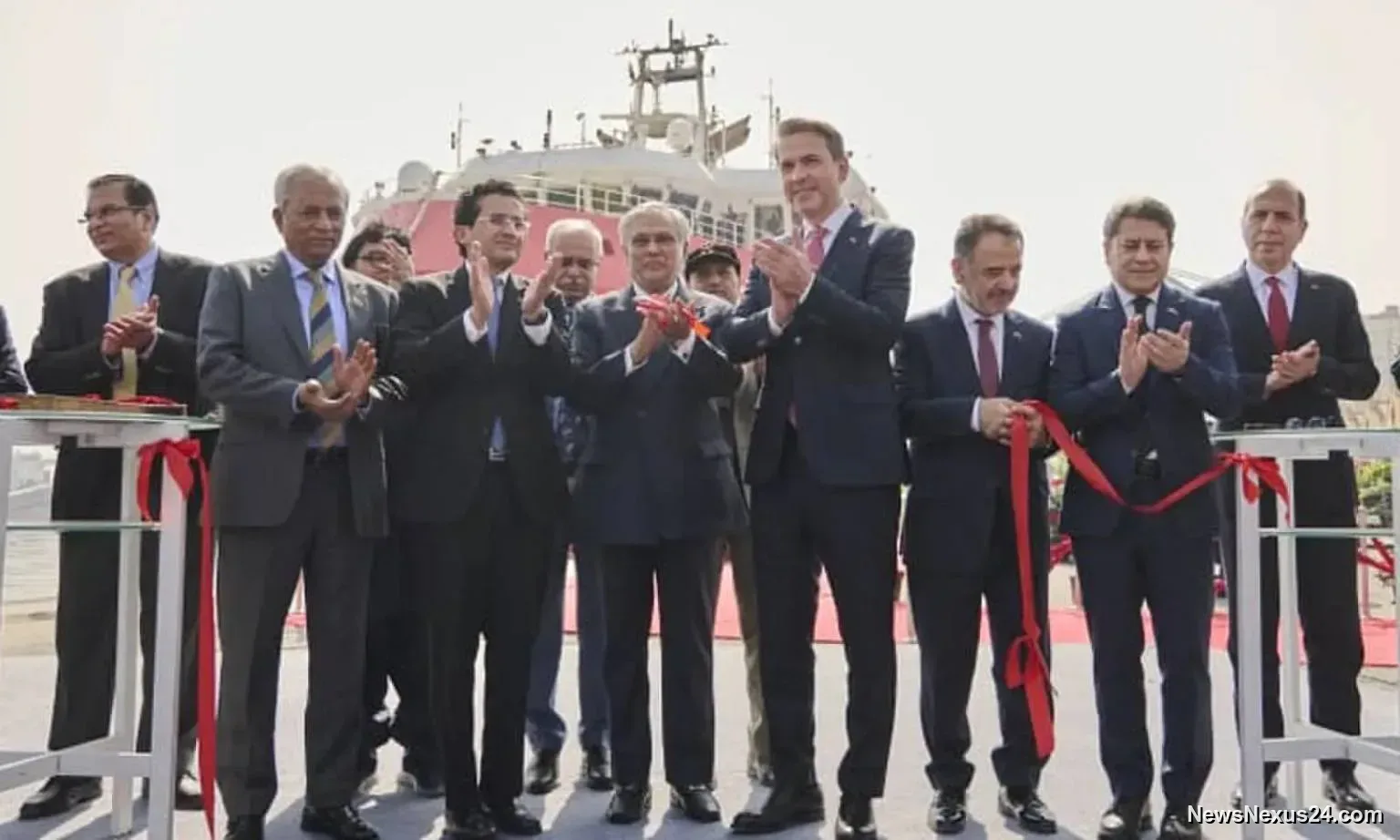
Pakistan and Turkiye have formally begun a new phase of offshore oil and gas exploration, launching seismic survey work in the Indus and Makran basins with an initial target of starting drilling operations by the final quarter of 2027. The development was announced at Karachi port during a ceremony for the arrival of Turkiye’s seismic research vessel, Oruç Reis.
The vessel is set to carry out detailed seismic work in Pakistan’s offshore waters, focusing first on the Eastern Offshore Indus-C Block. The survey is intended to map underground geological structures and assess whether the area contains commercially viable hydrocarbon reserves before companies commit to drilling wells.
Turkish Energy Minister Alparslan Bayraktar said licensing processes had been completed for five exploration blocks, including three offshore and two onshore locations. He said field activity had begun and that Oruç Reis had completed a 19-day voyage to Karachi for the assignment.
According to the plan outlined at the ceremony, the vessel and Turkish Petroleum will collect three-dimensional seismic data across around 670 square kilometres in the Indus-C Block over approximately two months. The data collection and interpretation process is expected to take up to six months, after which the partners will decide on potential drilling locations.
Pakistan’s petroleum minister, Ali Pervaiz Malik, said the project could help reduce geological uncertainty before drilling and revive interest in the country’s underexplored offshore areas. He said Pakistan had restarted competitive bidding for offshore blocks after an 18-year gap, receiving bids for 23 blocks covering about 53,510 square kilometres.
The two countries also signed three agreements related to mineral exploration and development. These include a shareholders’ agreement involving the Pakistan Mineral Development Corporation and Turkiye’s MTA International Company for antimony resources in Pishin, as well as a joint venture concerning copper, gold and related mineral deposits in Chagai.
Pakistan’s offshore zone covers about 300,000 square kilometres, but only 18 wells have been drilled there since independence, according to the petroleum ministry. Previous surveys cited by Pakistan Petroleum Limited estimate that the Indus-C Block could contain between 1.5 trillion and 2 trillion cubic feet of gas, though the actual commercial potential will depend on the results of the current seismic work and any subsequent drilling.
Prime Minister Shehbaz Sharif said expanded cooperation in offshore exploration, minerals and renewable energy could support Pakistan’s energy security and economic development. The project does not confirm the discovery of oil or gas reserves; it begins the technical assessment required before drilling and commercial decisions can be made.
Corrections & clarifications
Spot an inaccuracy or need more detail? Email connect@newsnexus24.com. Publication time is shown above.