Hazardous smog pushes Lahore and Punjab cities to extreme AQI levels
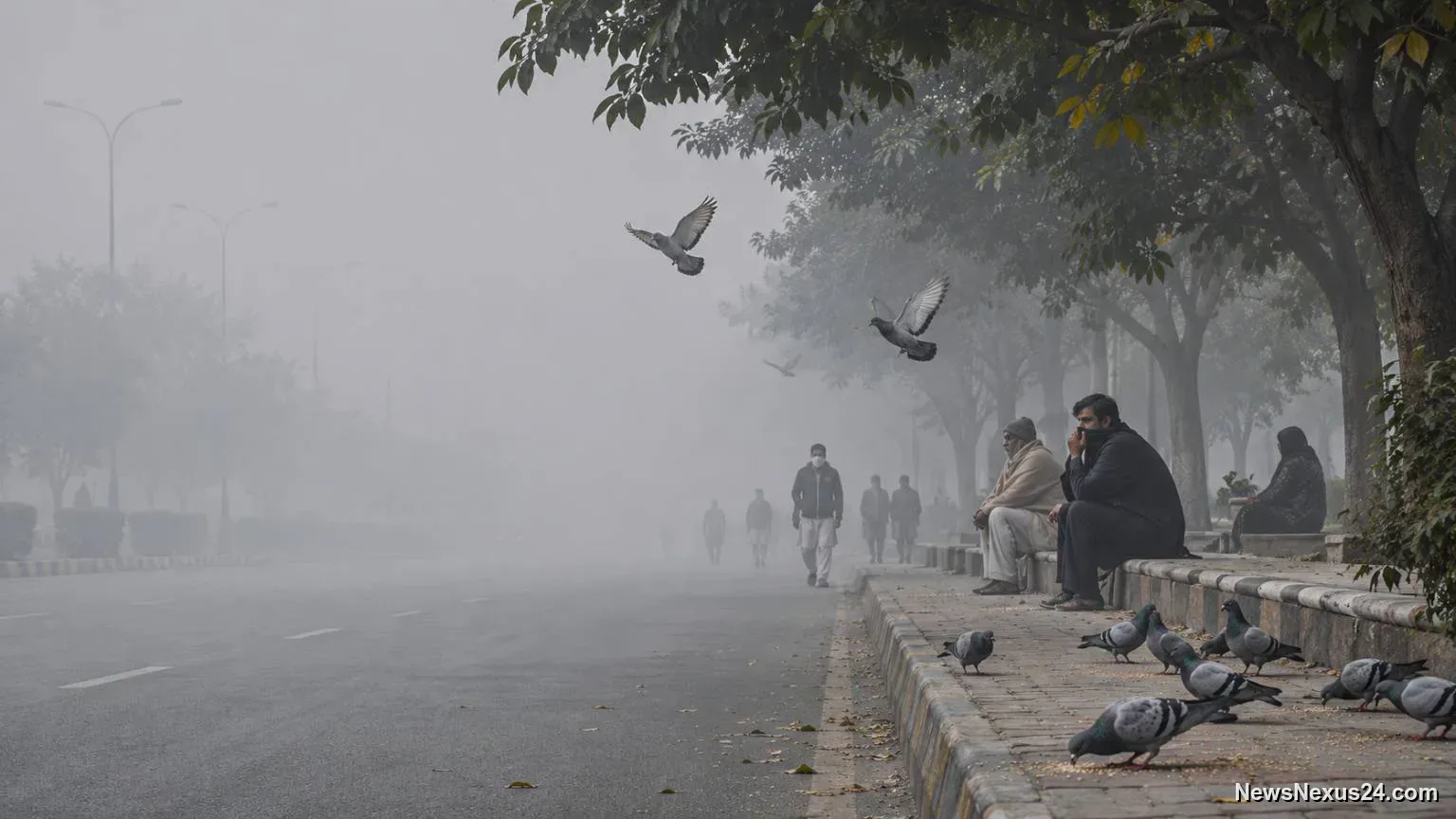
“Hazardous smog gripped several Punjab cities, with Lahore recording an hourly AQI of 465 while Gujranwala and Multan logged far higher readings.”
Key points
- Hazardous smog gripped several Punjab cities, with Lahore recording an hourly AQI of 465 while Gujranwala and Multan logged far higher readings.
- Authorities say enforcement against polluting brick kilns is continuing, but the latest data shows severe air-quality conditions remain widespread.
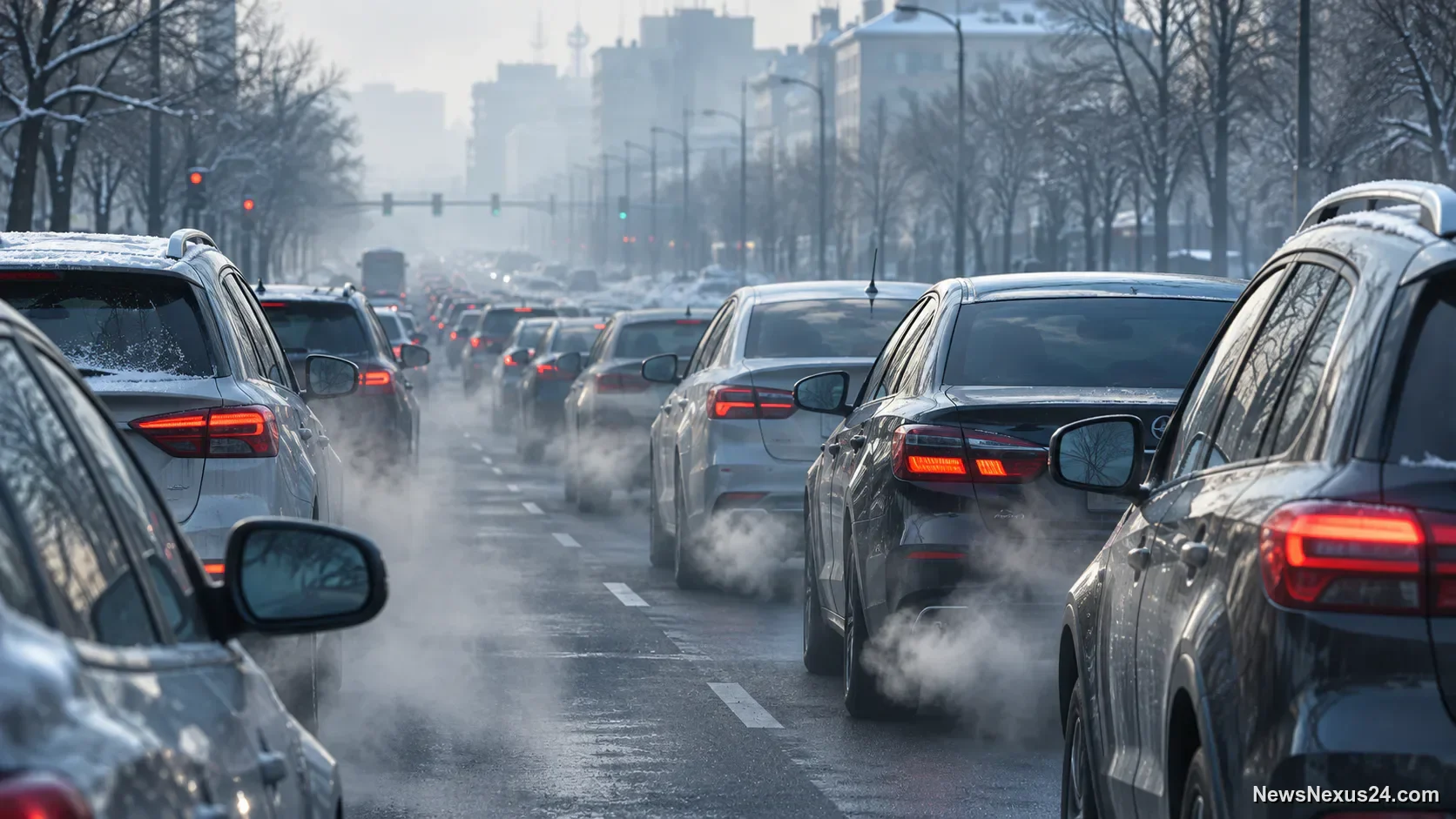
Heavy smog pushed air quality across several Punjab cities into hazardous territory on Friday, with Lahore again ranking among the world’s most polluted major cities. Hourly data recorded Lahore’s Air Quality Index at 465 between 7am and 8am, a level classified as hazardous.
The pollution burden was even higher in other parts of the province. Gujranwala recorded an AQI of 661 and Multan 641, while a separate domestic ranking placed Lahore at 426. Sargodha, Sialkot, Rahim Yar Khan and Bahawalpur also reported unhealthy or very unhealthy readings.
The readings point to a broad deterioration in air quality rather than a problem confined to Lahore. Hazardous conditions can pose particular risks for children, older people and people with respiratory or cardiovascular conditions, especially when exposure lasts for extended periods.
Residents were advised to limit time outdoors where possible, keep windows closed and use masks when they need to go outside. Fine particulate matter, known as PM2.5, can worsen breathing and heart-related conditions when concentrations remain elevated.
Punjab’s environment department has continued enforcement action against pollution sources, particularly brick kilns that fail to meet environmental requirements. Between January 1 and November 18, inspection teams carried out 84,370 visits, demolished 1,429 units, sealed 968 and registered 1,248 cases against alleged violators, while imposing Rs178 million in fines.
During the main smog period from September 1 to November 18, the department reported nearly 30,000 inspections and Rs101.45 million in fines. It has also introduced repeat checks aimed at identifying units that resume harmful practices after an initial inspection.
The latest episode comes against a wider national air-quality challenge. Pakistan’s average PM2.5 concentration in 2025 was reported at 67.3 micrograms per cubic metre, nearly 14 times the World Health Organisation’s annual guideline of five micrograms. The renewed hazardous readings underline the difficulty of bringing down winter pollution across Punjab despite continuing enforcement measures.
Corrections & clarifications
Spot an inaccuracy or need more detail? Email connect@newsnexus24.com. Publication time is shown above.