
Aurangzeb cites high taxes, energy costs as firms exit Pakistan
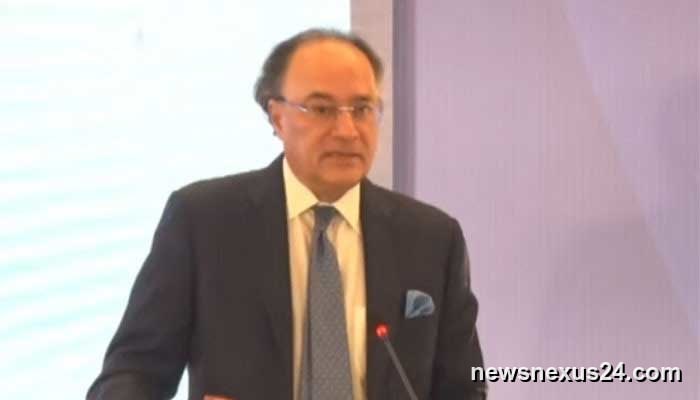
“Finance Minister Muhammad Aurangzeb said some firms are leaving Pakistan due to high taxes and expensive energy, while new foreign investors are also entering.”
Key points
- Finance Minister Muhammad Aurangzeb said some firms are leaving Pakistan due to high taxes and expensive energy, while new foreign investors are also entering.
- He outlined ongoing reforms in taxation, state enterprises, privatisation, and debt management.
ISLAMABAD: Finance Minister Muhammad Aurangzeb acknowledged that some companies have exited Pakistan, citing pressures such as high taxation, costly energy, and financing challenges.
Speaking at the Pakistan Policy Dialogue in Islamabad, Aurangzeb said the government recognises the constraints facing the economy and businesses. At the same time, he said new foreign investment is also arriving, pointing to about 20 foreign investors that have entered Pakistan’s market in the past 18 months, including firms such as Google, Aramco, Wafi Energy, and Turkish Petroleum.
Aurangzeb argued that corporate decisions to stay or leave often depend on business models, noting that some multinational firms have adapted by shifting to local sourcing, protecting margins and enabling exports. Companies that have not adjusted their models, he suggested, may reassess their strategy.
On fiscal reforms, he said structural changes are underway and highlighted the ongoing transformation of the Federal Board of Revenue (FBR). He reiterated that tax policy has been placed under the Ministry of Finance, while the FBR’s core role is tax collection, alongside compliance and enforcement.
Addressing state-owned enterprises, the minister said inefficiencies cost the country nearly Rs1 trillion annually. He added that, as part of cost-cutting measures, Utility Stores, PWD, and PASCO were shut down due to corruption linked to subsidies. He also said two dozen organisations have been handed to the Privatisation Commission, and that PIA’s privatisation process drew interest from local investors.
Aurangzeb said interest payments remain the largest public expenditure item and noted that a Debt Management Office has been created to improve handling of public debt. He said Rs85 billion was saved on interest payments last year, with additional savings expected in the current fiscal year.
Corrections & clarifications
Spot an inaccuracy or need more detail? Email connect@newsnexus24.com. Significant updates are timestamped above.


